

- Cart 0
- English
ACS Nano Breakthrough: Cisplatin Directly Engineered as an LNP Helper Lipid for mRNA/siRNA Co-Delivery to Overcome Chemotherapy-Induced Immunosuppression
October 22, 2026
Clicks:62


ACS Nano Breakthrough: Cisplatin Directly Engineered as an LNP Helper Lipid for mRNA/siRNA Co-Delivery to Overcome Chemotherapy-Induced Immunosuppression
Background: Cisplatin is a first-line clinical chemotherapeutic, but three major limitations have long restricted its efficacy: strong toxic side effects, rapid development of drug resistance, and the fact that chemotherapy induces phosphatidylserine (PS) externalization on tumor cell membranes, fostering a strongly immunosuppressive microenvironment. Conventional lipid nanoparticles (LNPs) can hardly co-encapsulate cisplatin and nucleic acids, and knocking down Xkr8 alone or expressing ANX5 alone provides only weak relief from PS exposure.
A joint team from Southern Medical University and the National University of Singapore published an innovative study in ACS Nano: they converted a quadrivalent platinum prodrug into an LNP helper lipid to build an integrated PtLNP delivery system that co-delivers Xkr8 siRNA and ANX5 mRNA, blocking PS externalization through two parallel pathways and greatly improving the efficacy of chemo-immunotherapy.
I. Core Innovative Design
- Chemical modification: Pt(II) cisplatin was oxidized to Pt(IV) and esterified to synthesize five lipid–platinum prodrugs; the optimal Lipid-Pt₄ was selected and incorporated into the classic FDA-approved LNP scaffold.
- Dual-function carrier: The Pt lipid serves both as a chemotherapeutic drug reservoir and as a means to increase LNP rigidity and enhance mRNA/siRNA delivery efficiency.
- Dual-nucleic-acid synergistic strategy:
- siXkr8: silences the scramblase Xkr8, reducing PS externalization at its source;
- ANX5 mRNA: drives intracellular expression of ANX5 protein, which binds and masks already externalized PS, blocking immunosuppressive signaling.
II. Experimental Results (Corresponding to Original Figures)
1. Physicochemical properties, nucleic acid delivery, and drug release of PtLNP | Figure 1
- The optimal formulation with 20% Lipid-Pt₄ yielded PtLNP particles of 116.5 nm with a PDI of only 0.09, nucleic acid encapsulation efficiency >98%, and uniform platinum distribution within the nanoparticles;
- Greatly improved serum stability: free mRNA degrades easily; conventional LNPs protect mRNA for only about 12 h, whereas PtLNP protected mRNA for up to 36 h;
- GSH-responsive, controllable platinum release: stable in physiological PBS, with 60.8% cumulative platinum release over 72 h in a simulated high-GSH tumor environment; mRNA is preferentially expressed in the early stage after administration, while large-scale platinum release for tumor killing occurs after 36 h — a perfectly matched sequence;
- Transfection efficiency in multiple tumor cell lines (4T1, SKOV3, A549, etc.) increased by 12.5%–42.3%, with no obvious cytotoxicity within 24 h.
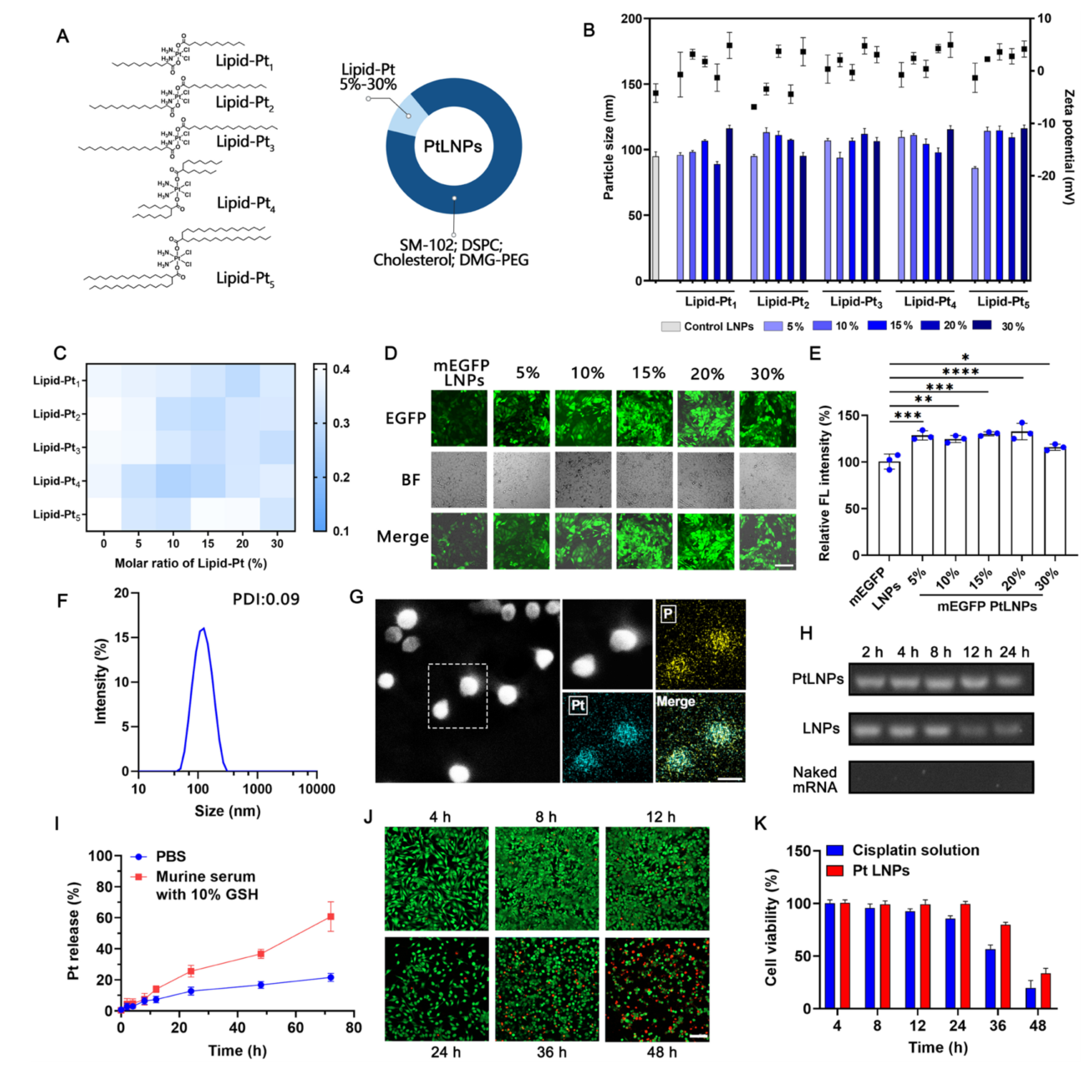
Figure 1. Integration of a Pt(IV) prodrug into lipid nanoparticles (LNPs) for RNA delivery
2. Enhanced cellular uptake and lysosomal escape mechanism of PtLNP
- Incorporation of Lipid-Pt₄ increased the mechanical rigidity of the nanoparticles; single-particle tracking confirmed that PtLNP cellular internalization was significantly faster than that of conventional LNPs;
- Efficient lysosomal escape was achieved within only 0.5 h, with significantly higher intracellular accumulation of Cy5-labeled mRNA;
- Higher rigidity stabilized particle morphology within endosomes and promoted nucleic acid release into the cytoplasm, explaining the transfection enhancement from a material mechanics perspective.

Figure 2. PtLNPs enhance mRNA transfection efficiency by modulating intracellular delivery processes.
3. In vitro co-delivery system suppresses PS externalization and reshapes immune cells | Figure 3
- An mRNA/siRNA mass ratio of 8:2 was optimal, significantly reducing PS exposure on apoptotic tumor cells and apoptotic bodies;
- Free cisplatin drives excessive macrophage phagocytosis of apoptotic cells and massive secretion of anti-inflammatory factors TGF-β and IL-10; the dual-nucleic-acid PtLNP reversed this phenomenon, upregulating pro-inflammatory, antitumor factors such as TNF, IL-1β, and IL-6;
- Transwell co-culture demonstrated that low-PS apoptotic bodies reduced macrophage phagocytosis and were preferentially taken up by dendritic cells (BMDCs), with upregulated expression of the DC maturation markers CD80/CD86, initiating adaptive antitumor immunity.
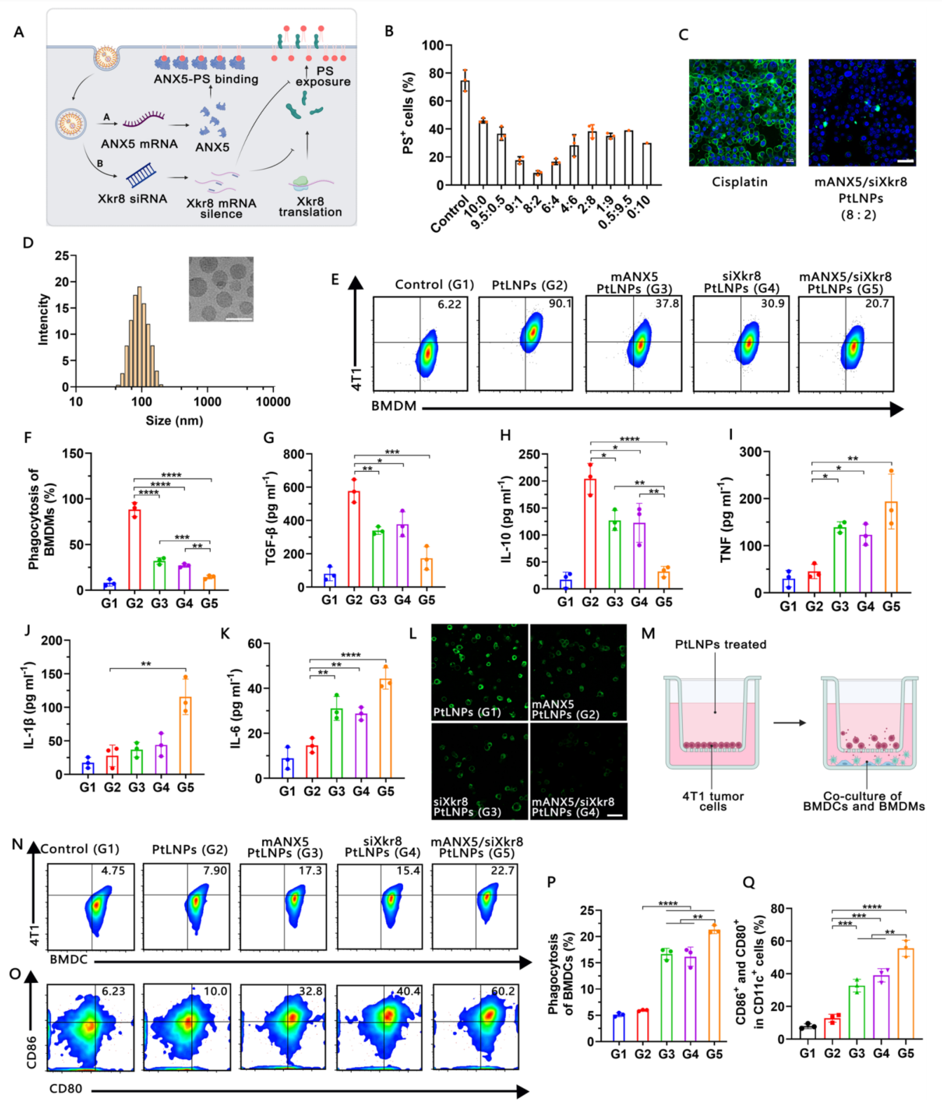
Figure 3. PtLNPs carrying mANX5/siXkr8 induce adaptive immune responses in vitro.
4. In vivo tumor gene regulation and improvement of the tumor immune microenvironment | Figure 4
- Intratumoral injection of PtLNP effectively silenced the tumor Xkr8 gene while efficiently expressing ANX5 protein, markedly reducing PS exposure in tumor tissue;
- Comprehensive optimization of the tumor microenvironment: TGF-β and IL-10 were downregulated, while antitumor immune factors such as IFN-γ, TNF, and IL-12 increased; M1 antitumor macrophages increased, immunosuppressive MDSCs decreased, and intratumoral infiltration of CD8⁺ cytotoxic T cells rose significantly;
- Transcriptomic sequencing confirmed that the system activated multiple antitumor immune pathways, including antigen presentation, T cell receptor, and TNF signaling.
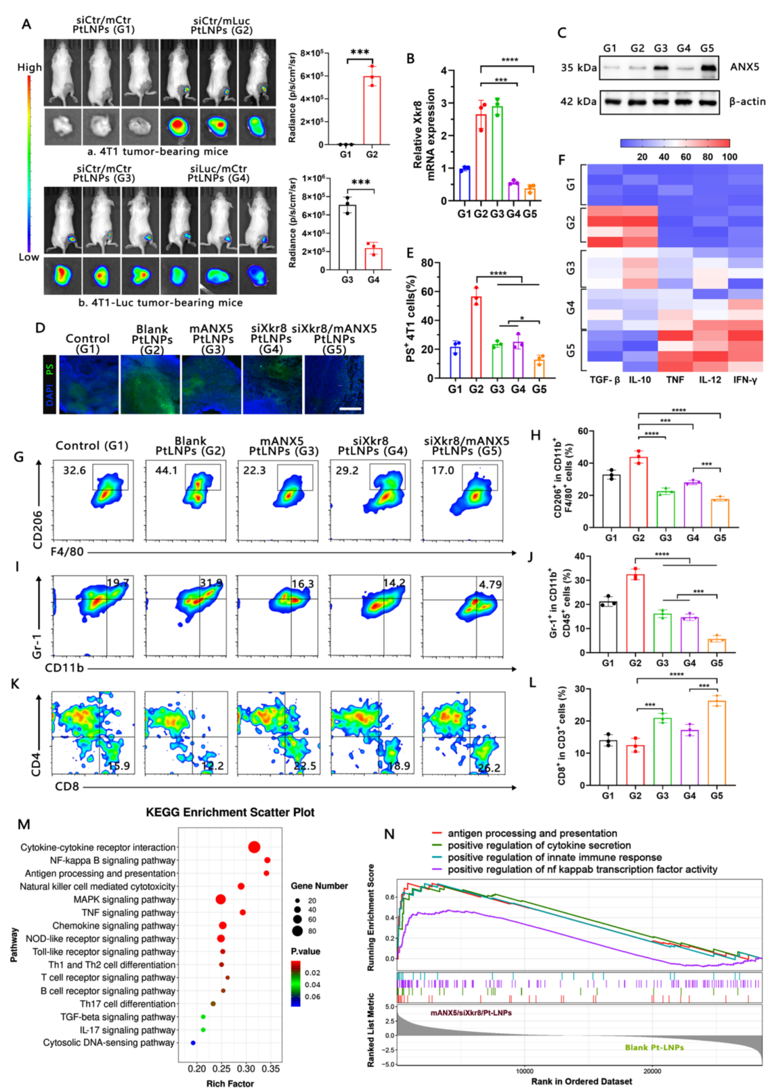
Figure 4. PtLNPs co-loaded with siXkr8/mANX5 induce transfection in vivo and enhance adaptive immune responses.
5. In vivo tumor inhibition, anti-metastatic effects, and durable immune efficacy | Figure 5
- Primary tumor model: free cisplatin only briefly inhibited tumors before rapid relapse, whereas siXkr8/mANX5 PtLNP provided sustained tumor suppression, with complete tumor regression in some mice; body weight showed no significant decline and no pathological damage to major organs was observed, indicating good safety;
- Contralateral distal tumor: intratumoral injection on one side only significantly suppressed the growth of the uninjected tumor on the other side, confirming induction of systemic antitumor immunity;
- Lung metastasis model: pulmonary metastatic nodules were greatly reduced and survival of tumor-bearing mice was significantly prolonged;
- Immune memory: the proportion of mature DCs in draining lymph nodes increased, effector memory T cells in the spleen rose significantly, establishing durable antitumor immune memory to prevent recurrence and metastasis.
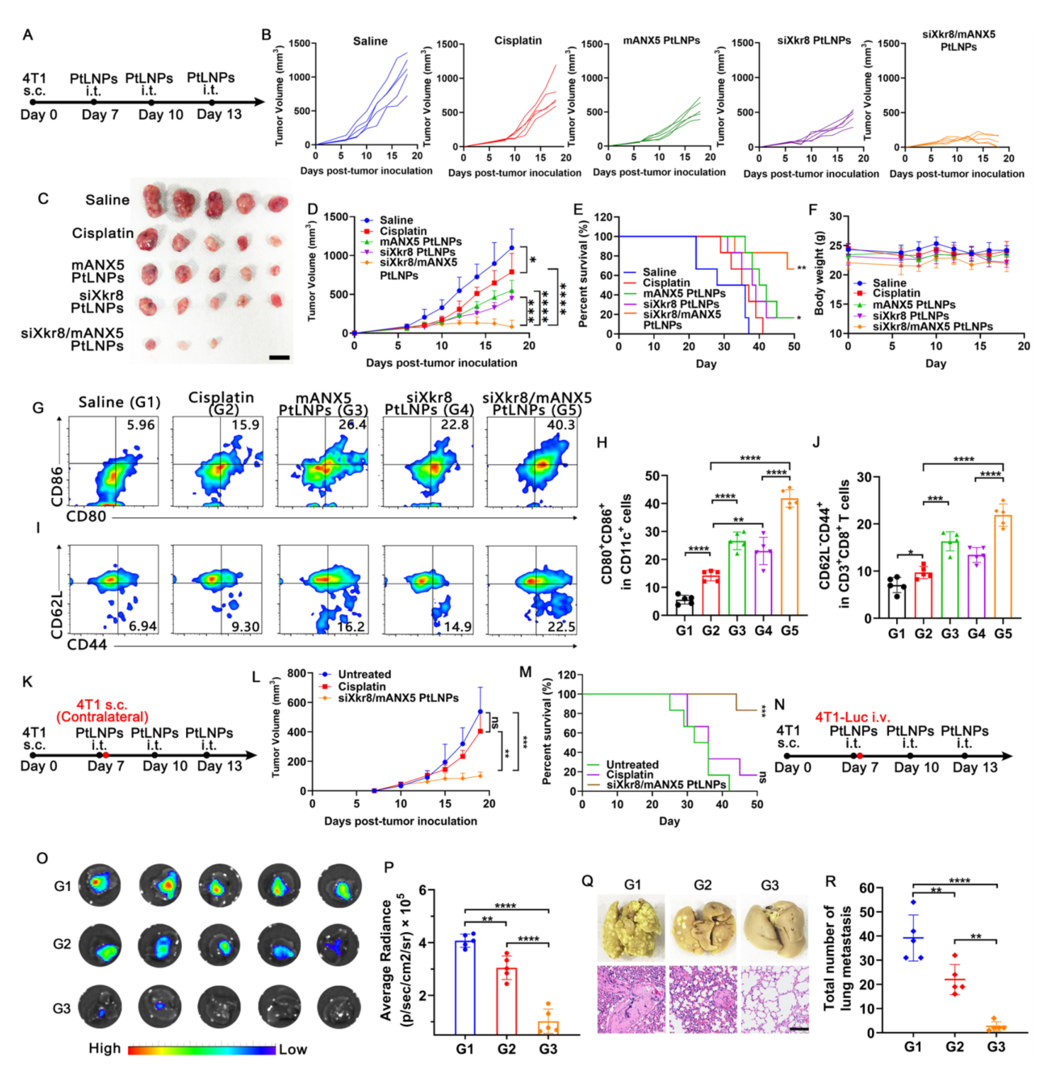
Figure 5. In vivo chemo-immunotherapy with siXkr8/mANX5 PtLNPs.
III. Study Summary
This work departs from the traditional "drug + carrier designed separately" approach by directly engineering a platinum chemotherapeutic into an LNP helper lipid, achieving integrated co-delivery of chemotherapy, siRNA, and mRNA. It addresses cisplatin-induced immunosuppression through two parallel pathways and provides a novel, readily implementable nano-delivery strategy for platinum-based chemo-immunotherapy in cancer.
The EGFP mRNA, OVA mRNA, and Fluc luciferase reporter mRNA used in this study for in vitro transfection and in vivo fluorescence imaging validation were all purchased from Absin. High-integrity IVT mRNA with high expression activity provided stable and reliable experimental support for the entire LNP nucleic acid delivery functional validation.
Absin provides a one-stop mRNA research solution, from core raw materials to experimental tools, comprehensively supporting mRNA-related research and applications.
Selected Absin mRNA Solution Products
| Category | Cat. No. | Product Name |
| In vitro transcription | abs60690 | T7 High-Yield RNA Co-Transcription Kit (N1-Me-pUTP) |
| abs60618 | mRNA Affinity Chromatography Purification Kit (Spin Column) | |
| mRNA synthesis raw materials | abs60152 | Vaccinia Virus Capping Enzyme |
| abs60166 | 2'-O-Methyltransferase | |
| abs60153 | T7 RNA Polymerase | |
| abs60539 | DNase I | |
| abs60150 | RNase Inhibitor | |
| abs60156 | N1-Methyl-pseudouridine-5'-triphosphate (Solution) | |
| mRNA quality control | abs590014 | dsRNA ELISA Kit |
| abs590015 | T7 RNA Polymerase Residue Detection Kit (ELISA) | |
| Linear tool mRNA | abs60174-A | Cas9 mRNA (N1-Methylpseudouridine) |
| abs60176-A | EGFP mRNA (N1-Methylpseudouridine) | |
| abs60178-A | Fluc mRNA (N1-Methylpseudouridine) | |
| abs60178-F | Fluc mRNA (Cy5) | |
| abs60180-A | mCherry mRNA (N1-Methylpseudouridine) | |
| abs60191-A | Cre mRNA (N1-Methylpseudouridine) | |
| abs60312-A | OVA mRNA (N1-Methylpseudouridine) | |
| abs60313-A | tdTomato mRNA (N1-Methylpseudouridine) | |
| abs60194-A | EPO mRNA (N1-Methylpseudouridine) | |
| Circular tool RNA | abs60333 | Endless Fluc RNA |
| abs60332 | Endless eGFP RNA | |
| abs60334 | Endless mCherry RNA | |
| abs60336 | Endless EPO RNA | |
| abs60335 | Endless Cas9 RNA | |
| mRNA cell transfection | abs60339 | mRNA Transfection Reagent |
| abs60620 | easyLNP™ mRNA Immune Cell Transfection Kit | |
| abs60621 | easyLNP™ Plus General RNA Cell Transfection Kit | |
| abs60685 | easyLNP™ Primary Immune Cell RNA Transfection Kit | |
| abs60659 | easyLNP™ RNA Stem Cell Transfection Kit | |
| mRNA in vivo transfection | abs60622 | easyLNP™ mRNA In Vivo Transfection Kit (Systemic) |
| abs60623 | easyLNP™ mRNA In Vivo Transfection Kit (Local) | |
| abs60738 | easyLNP™ Lung-Targeted RNA Transfection Kit |
As a professional custom mRNA synthesis service provider, Absin leverages extensive experience in sequence design and modification to offer full-process custom services — from sequence design optimization, codon optimization, and specific nucleotide modifications to IVT synthesis, purification and quality control, and LNP encapsulation — covering cell therapy, tumor immunotherapy, infectious disease vaccine development, gene editing, protein replacement therapy, and basic mechanism research.

Contact Absin
Absin provides antibodies, proteins, ELISA kits, cell culture, detection kits, and other research reagents. If you have any product needs, please contact us.
| Absin Bioscience Inc. worldwide@absin.cn |
 Follow us on Facebook: Absin Bio |