

- Cart 0
- English
Research Ideas for Popular Metabolic Diseases
July 06, 2026
Clicks:506


I. Overview
Metabolic diseases refer to a group of disorders caused by dysregulation at any step of biochemical metabolic pathways, including anabolism, catabolism, biotransformation and substance transport. Simply put, the human body operates as a sophisticated biochemical factory that continuously undergoes chemical reactions (i.e., metabolism). It converts ingested nutrients such as carbohydrates, lipids and proteins into energy and endogenous biomolecules, and eliminates metabolic waste products. This process requires precise regulation mediated by enzymes, hormones, receptors and other functional molecules.
Dysfunction at any of these regulatory links, such as enzyme deficiency or functional impairment (the most prevalent cause), disturbed hormonal secretion (e.g., insulin), cellular receptor defects, or abnormal function of vital organelles like mitochondria, leads to accumulation of intermediate metabolites, depletion of terminal functional products or generation of toxic substances, thereby triggering pathological conditions collectively termed metabolic diseases.
II. Classification and Representative Diseases of Metabolic Disorders
Metabolic diseases cover an extensive spectrum and can be categorized from multiple perspectives. Below are common representative disorders classified by the type of metabolized substrates:
1. Abnormal Glucose Metabolism
These disorders arise from impaired systemic glucose utilization and homeostatic regulation.
· Diabetes Mellitus: The most prototypical metabolic disease.Type 1 Diabetes Mellitus: Autoimmune destruction of pancreatic β-cells resulting in absolute insulin deficiency.
Type 2 Diabetes Mellitus: Insulin resistance (peripheral tissue insensitivity to insulin) and/or relative insulin secretory insufficiency.
Gestational Diabetes Mellitus: Glucose intolerance first diagnosed or identified during pregnancy.
· Prediabetes: Blood glucose levels elevated above normal thresholds but failing to meet diagnostic criteria for diabetes, serving as a critical early warning biomarker.
· Lactose Intolerance: Deficiency of lactase enzyme abolishes intestinal capacity to hydrolyze milk-derived lactose.
2. Dyslipidemia / Abnormal Lipid Metabolism
Characterized by aberrant circulating plasma lipid concentrations, including cholesterol and triglycerides.
· Hyperlipidemia / Dyslipidemia: Comprises hypercholesterolemia, hypertriglyceridemia and other lipid disorders, acting as major risk factors for atherosclerosis and cardiovascular-cerebrovascular diseases.· Obesity: Recognized as a complex metabolic disease driven by imbalance between energy intake and expenditure, frequently accompanied by insulin resistance and chronic low-grade inflammation.
· Fatty Liver Disease: Especially non-alcoholic fatty liver disease (NAFLD), tightly correlated with obesity and insulin resistance.
· Gaucher Disease: Deficiency of glucocerebrosidase leads to lysosomal lipid accumulation within tissue macrophages.
3. Disturbed Protein/Amino Acid Metabolism
Predominantly congenital hereditary disorders induced by monogenic enzyme defects.
· Phenylketonuria (PKU): Phenylalanine hydroxylase deficiency causes systemic accumulation of phenylalanine and its toxic metabolites, resulting in severe neurological impairment; a core target disorder for neonatal screening programs.· Maple Syrup Urine Disease (MSUD): Defective branched-chain α-keto acid dehydrogenase complex confers characteristic maple-syrup odor to urine and provokes severe neurological manifestations.
4. Purine Metabolic Disorders
· Gout: Purine metabolic perturbation elevates serum uric acid levels, triggering monosodium urate crystal deposition in articular tissues and inducing painful inflammatory arthritis.5. Bone Metabolic Disorders
· Osteoporosis: Disrupted equilibrium between bone formation and bone resorption reduces bone mass, deteriorates bone microarchitecture and increases skeletal fragility.· Rickets / Osteomalacia: Vitamin D deficiency or impaired vitamin D metabolism disrupts calcium-phosphate homeostasis, resulting in defective bone mineralization.
6. Metabolic Syndrome
Not an independent disease entity but a clinical syndrome featuring concurrent multiple metabolic perturbations, including central (abdominal) obesity, hypertension, hyperglycemia (or insulin resistance), hypertriglyceridemia and reduced high-density lipoprotein ("good cholesterol"). Diagnosis is confirmed upon presentation of three or more criteria. Metabolic syndrome drastically elevates susceptibility to type 2 diabetes mellitus and cardiovascular-cerebrovascular events.
7. Mitochondrial Diseases
Dysfunction of mitochondria, the intracellular energy powerhouse, impairs adenosine triphosphate (ATP) biosynthesis, manifesting multi-organ pathological phenotypes with predominant neurological and muscular system involvement.
8. Electrolyte and Acid-Base Disturbances
· Hypokalemia / Hyperkalemia· Metabolic Acidosis / Metabolic Alkalosis
With the transformation of modern lifestyle, acquired metabolic disorders represented by type 2 diabetes mellitus, obesity, dyslipidemia and gout have become major threats to global human health. Early screening, healthy lifestyle intervention and standardized pharmacological therapy constitute the core strategies for prevention and clinical management of these diseases.
III. Research Methodologies for Metabolic Diseases
Research methodologies for metabolic diseases form a multi-layered, multi-technical integrated system. Technological advances have driven research from traditional phenotypic observation down to molecular and systematic levels. Widely adopted research approaches are categorized into the following tiers:
1. Macroscopic and Population Level
These approaches identify disease risk factors, elucidate population distribution patterns and evaluate intervention efficacy.
• Epidemiological Studies
· Descriptive Epidemiology: Characterizes incidence, prevalence, temporal, geographic and demographic distribution of metabolic disorders such as diabetes mellitus across populations.· Analytical Epidemiology:
Cohort Studies: Healthy human cohorts are stratified by exposure factors (e.g., high-fat diet, tobacco smoking) and longitudinally monitored for subsequent metabolic disease onset to establish causal associations.
Case-Control Studies: Compare historical exposure differences between patient cohorts and healthy controls, ideal for exploring risk factors of rare metabolic disorders.
Cross-Sectional Studies: Survey population disease status and exposure variables at a single timepoint, primarily applied for prevalence estimation and correlational analysis.
• Clinical Trials
· Randomized Controlled Trials (RCTs): Assess safety and efficacy of novel pharmaceuticals, therapeutic regimens or lifestyle interventions in metabolic disease patients, representing the highest grade of clinical evidence.· Real-World Evidence Studies: Collect clinical data under routine medical practice to evaluate real-world performance of therapeutic interventions.
2. Microscopic and Mechanistic Level
These techniques uncover the precise molecular and cellular mechanisms underlying disease pathogenesis.
• Molecular Biology Techniques
· Gene Expression Profiling: Quantify transcriptional alterations under pathological conditions via quantitative real-time PCR (qPCR) and RNA-sequencing.· Proteomics: Mass spectrometry-based high-throughput profiling of global protein expression, post-translational modifications and protein-protein interactions in tissues, cells or biofluids to screen disease biomarkers.
· Metabolomics: Systematically profile small-molecule metabolites in biological specimens (serum, urine) via nuclear magnetic resonance (NMR) or mass spectrometry. Directly reflecting terminal metabolic phenotypes, metabolomics serves as a core tool for metabolic disease research.
· Epigenetic Analysis: Investigate how DNA methylation, histone modification and other epigenetic marks regulate gene expression independent of DNA sequence variation and participate in metabolic disease progression.
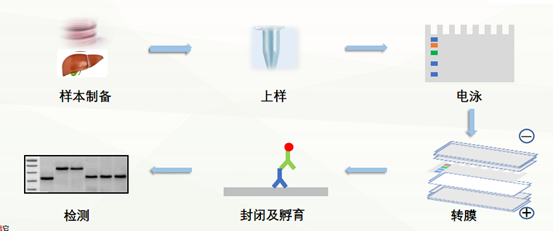
• Cell Biology Assays
Cell Culture Models
· Primary Cells: Isolated adipocytes from adipose tissue, primary hepatocytes and other primary cell populations recapitulate in vivo physiological characteristics accurately.· Immortalized Cell Lines: Such as 3T3-L1 preadipocytes and HepG2 hepatoma cells, featuring convenient cultivation and tractable genetic manipulation for high-throughput compound screening.
Functional Phenotyping Assays
Cells are challenged with defined stimuli (glucose, fatty acids, candidate compounds) to monitor metabolic responses, signaling cascade activation, cellular proliferation and apoptosis.
3. Animal Models and In Vivo Intervention
Animal models act as translational bridges linking basic mechanistic research and human clinical trials, enabling in vivo hypothesis validation at systemic organismal level.
• Model Classification
· Diet-Induced Models: Mice and rats fed high-fat/high-sugar chow develop obesity, insulin resistance, hepatic steatosis and type 2 diabetes, recapitulating human disease progression.· Genetically Engineered Models:
Knockout Mice: Leptin-deficient (ob/ob) mice and leptin receptor-deficient (db/db) mice represent classic preclinical models for obesity and diabetes research.
Transgenic Mice: Overexpress target genes to characterize their biological functions.
Conditional Knockout Mice: Tissue-specific or temporally controlled gene ablation to dissect tissue-restricted gene functions in metabolic regulation.
· Chemically Induced Models: Streptozotocin administration selectively ablates pancreatic β-cells to establish type 1 diabetic animal models.
• Core Research Applications
· Metabolic Phenotyping: Serial monitoring of body weight, food intake, blood glucose, serum insulin, lipid profiles and whole-body energy expenditure.· Therapeutic Intervention Assays: Preclinical evaluation of novel drug efficacy and biosafety in animal disease models.
· Mechanistic Exploration: Utilize genetically modified rodents to dissect gene/pathway function in systemic metabolic homeostasis.
4. Cutting-Edge Interdisciplinary Technologies
· Integrated Multi-Omics Analysis: Integrate genomic, transcriptomic, proteomic and metabolomic datasets to construct systemic disease regulatory networks for comprehensive dissection of complex metabolic pathogenesis.· Metagenomics: High-throughput sequencing characterizes intestinal microbiota composition and function. Gut microbiota-host metabolic crosstalk constitutes a major research hotspot in metabolic disorders.
· Molecular Imaging Modalities:
Micro-CT/MRI: Precise quantification of body fat distribution and intrahepatic lipid accumulation in animals and human subjects.
PET-CT: In vivo dynamic monitoring of glucose and fatty acid metabolic flux in living organisms.
· Organoid Culture Systems: Stem cell-derived miniature simplified liver or pancreatic organoids for disease modeling, high-throughput drug screening and precision personalized medicine research.
Summary: Standard Research Pipeline
1. Association Discovery: Epidemiological population studies identify statistical correlations between risk factors (genetic variants, circulating metabolites) and disease incidence.2. Mechanistic Elucidation: Cellular gene knockout/overexpression assays clarify how candidate factors modulate intracellular metabolism and signal transduction pathways.
3. In Vivo Validation: Animal model experiments verify biological functions of candidate factors at systemic level and characterize their impacts on whole-body metabolic phenotypes.
4. Translational Application: Validated targets advance novel drug development, with subsequent clinical trials confirming therapeutic efficacy in human patients.
Contemporary metabolic disease research increasingly relies on integrated multi-disciplinary, multi-layered methodologies, bridging population-scale epidemiological datasets and subcellular molecular mechanisms to deepen disease understanding and advance prevention and therapeutic strategies.
Product Recommendations
| Catalog No. | Product Name | Specifications |
|---|---|---|
| abs810001 | LY 294002 | 10mg/25mg/100mg |
| abs810030 | Rapamycin | 5mg/10mg/100mg/1g |
| abs810040 | Tacrolimus; FK-506 | 5mg/10mg/25mg/100mg |
| abs155932 | Mouse anti-AKT Monoclonal Antibody | 50uL/100uL |
| abs123966 | Rabbit anti-TNF α Polyclonal Antibody | 50uL/100uL |
| abs120201 | Rabbit anti-IL-6 Polyclonal Antibody | 50uL/100uL |
| abs47014903 | Human Oxidized Low-Density Lipoprotein (ox-LDL) | 2mg |
| abs9454 | Human Mesenchymal Stem Cell Adipogenic Differentiation Kit | 100mL |
| abs580141 | Free Fatty Acid Microplate Assay Kit | 96T |
| abs580114 | Total Cholesterol Microplate Assay Kit | 96T |
| abs580010 | Superoxide Dismutase Microplate Assay Kit | 96T |
| abs580085 | Triglyceride Microplate Assay Kit | 96T |
Contact Absin
Absin provides antibodies, proteins, ELISA kits, cell culture, detection kits, and other research reagents. If you have any product needs, please contact us.
| Absin Bioscience Inc. worldwide@absin.cn |
 Follow us on Facebook: Absin Bio Follow us on Facebook: Absin Bio |