

- Cart 0
- English
Researchers are thrilled! Does this non‑toxic all‑rounder CTB dominate half the field of neuronal tracing, immunoadjuvants and lipid raft labeling?
May 13, 2026
Clicks:70


For researchers in neuroscience, immunology, or cell biology, have you frequently encountered these frustrating issues:
High toxicity of neuronal tracers leading to poor survival rates of experimental animals and blurry positive signals?
Immunoadjuvants with either weak efficacy or strong irritation, making oral administration extremely difficult?
Lipid raft labeling always interfered by non-specific binding, and permeabilization treatment easily damages membrane structures?
Until I discovered the research artifact — **Cholera Toxin Subunit B (CTB)**. With recombinant non-toxic design and high-specificity binding to GM1, it solves the pain points of three core application scenarios in one go. Certified by multiple top journals, it's a must-have for researchers!
First, understand: Why is CTB a "versatile research tool"?
Many people's first impression of cholera toxin is "toxic", but this recombinant CTB has completely subverted this perception:
It only retains the binding B subunit of cholera toxin and completely eliminates the toxic A subunit with enzymatic activity — ensuring zero safety risks in experiments without losing core functions: it can recognize GM1 gangliosides (enriched on the surface of neurons and epithelial cells) on cell membranes with high affinity and specificity, precisely achieving targeted binding and signal transduction without damaging cells.
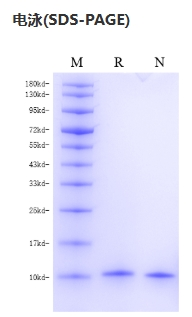
More importantly, its rigorous quality indicators: verified by dual SDS-PAGE and RP-HPLC, purity >95%; no sodium azide added, low endotoxin (<0.2EU/μg), avoiding result interference in both cell and animal experiments for more reliable data.
Three Core Applications: Full-scenario Adaptation from Neuronal Tracing to Lipid Raft Labeling
1. Neuronal Retrograde Tracing: Precise Localization, No Signal Deviation
Researchers studying neural circuits know that the specificity of tracers directly determines experimental success. CTB has outstanding advantages in retrograde tracing:
User-friendly operation: 1% concentration + 0.2μL microinjection, stereotaxic apparatus with Hamilton syringe, slow injection for 30 minutes, needle retention for 10-15 minutes to prevent reflux, easy for beginners;
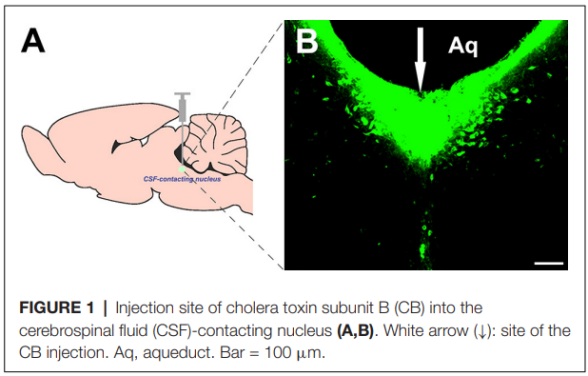
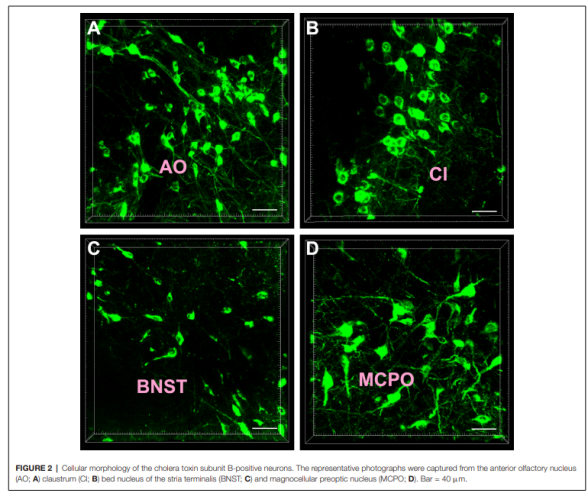
Clear signals: 7-10 days survival period after injection for sufficient neuronal uptake and retrograde transport, incubation with rabbit anti-CTB polyclonal antibody for 48 hours, green positive signals are clear under fluorescence microscope, and 3D reconstruction is available;
Low toxicity and safety: no toxic A subunit, high survival rate of experimental animals. It has been used in studies on the distribution of cerebrospinal fluid-contacting nucleus neurons in journals such as Front Neuroanat (2020), with strong data reproducibility.
 |
 |
2. Immunoadjuvant: Oral Applicable, Doubling Antigen Immune Efficacy
In mucosal immunity research, adjuvant selection is critical! The core advantages of CTB as an adjuvant are "flexibility + high efficiency":
Flexible matching: adjuvant dose not exceeding 1-fold of antigen dose (optimized in pre-experiments), prepared fresh before use, compatible with different antigen types;
Convenient administration: only 10μg per mouse for single oral immunization, administered in 100μL volume, final concentration 100μg/mL, three immunizations on days 0/7/14;
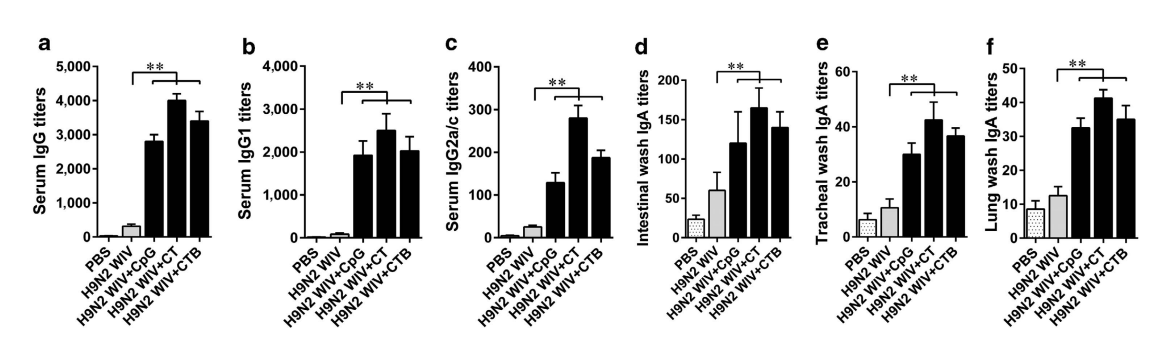
Efficacy certified: studies have used it in combination with H9N2 WIV antigen for immunization, showing excellent antibody titers and cellular immune indicators, comparable to CpG adjuvant (Mucosal Immunol. 2015).
3. Lipid Raft Labeling: Usable Without Permeabilization, Compatible with Live/Fixed Cells
The difficulty of lipid raft labeling is "achieving precise labeling without damaging membrane structures", and CTB provides two solutions directly:
Direct labeling: use CTB-FITC (Cat. No. abs80003), incubate at 4℃ for 30 minutes (to avoid endocytosis), keep away from light throughout the process, suitable for live cell labeling with stable fluorescent signals;
Indirect labeling: CTB + primary antibody + secondary antibody combination, no permeabilization required (to avoid lipid raft dissolution), compatible with adherent/suspension cells. It has been used in the study of APOE4 on lipid raft structure of microglia (Transl Neurodegener. 2024);
Avoid pitfalls: NEVER use methanol/acetone fixation (dissolves lipid rafts), choose 4% formaldehyde for fixation, 0.1% Saponin for permeabilization to double experimental success rate.
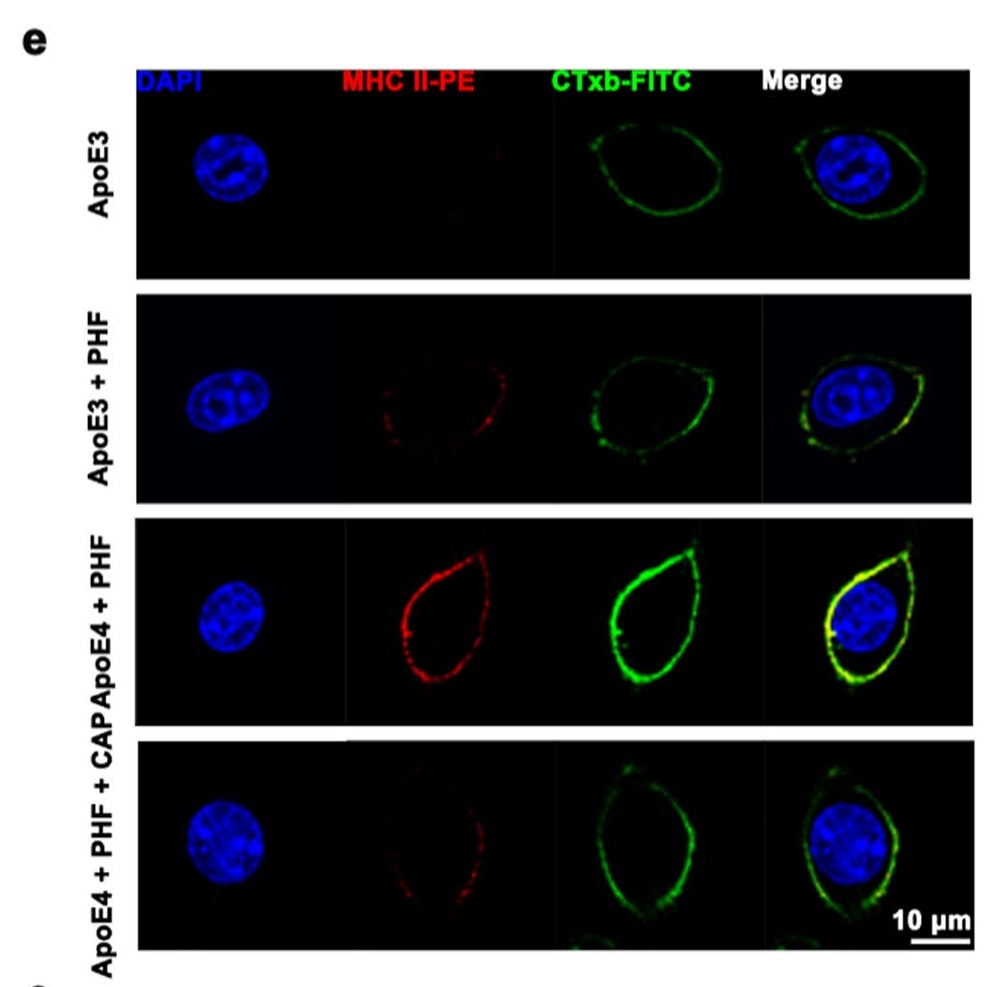 |
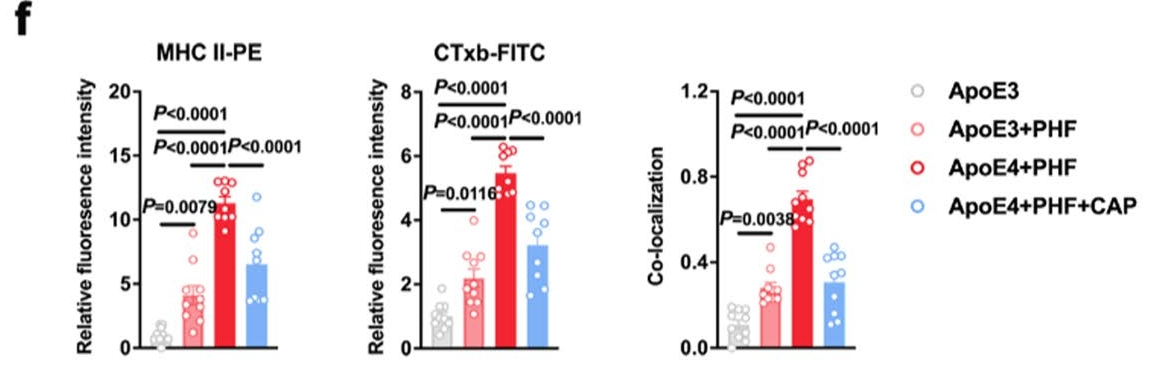 |
Must-read for Researchers: These Details Reduce Experimental Detours
Storage key points: solid powder stored at -20℃ for 12 months, aliquoted after dissolution and stored at -20℃ for 6 months, only 1 week at 2-8℃, avoid repeated freeze-thaw cycles at all costs!
Preparation tips: dissolve with sterile 1×PBS (pH7.4), mix gently by vortex, avoid vigorous shaking (damages protein structure);
Supporting benefits: Absin also provides fluorescent-labeled products (FITC/AF488/AF594/AF647), rabbit anti-CTB polyclonal antibody (abs122159), mounting medium (abs9235) and other supporting reagents, one-stop procurement;
Purity guarantee: dual detection (SDS-PAGE+RP-HPLC) with purity >95%, low endotoxin design, no non-specific toxicity in cell experiments.
To be honest:
The core of an excellent research tool is "solving problems + lowering thresholds". With the advantages of non-toxicity, high specificity and multi-scenario adaptation, CTB has become a "top journal regular" in neuroscience, immunology and cell biology. Whether you are a novice graduate student or a senior researcher in need of stable data, this "versatile research tool" helps you avoid pitfalls and improve efficiency~
If your experiments are troubled by tracing, adjuvants or lipid raft labeling, welcome to discuss specific scenarios in the comment area, and I will share corresponding optimization plans! If you find it useful, like and collect it for your next experiment~
References:
1. EM Dipeptide Enhances Milk Protein Secretion: Evidence from Integrated Metabolomic and Transcriptomic Analysis Metabolites. 2025 Jul 14 . Impact Factor: 3.72. Intranasal trivalent candidate vaccine elicits broad humoral and cellular immunity against pneumococcal pneumonia Front Cell Infect Microbiol. 2025 Jun 27 . Impact Factor: 8
3. Systematic Evaluation of Isolation Techniques and Freeze‐Thaw Effects on Plasma Extracellular Vesicle Heterogeneity and Subpopulation Profiling J Extracell Biol. 2025 Jun 26 . Impact Factor: 4
4. Applicability of the allergen Ana o 3 in the construction of a cashew nut allergy paradigm in BALB/c mice Food Bioscience. 2025 Jan 1 . Impact Factor: 4.802
5. A spinal neural circuit for electroacupuncture that regulates gastric functional disorders J Integr Med. 2024 Dec 3 . Impact Factor: 2
6. Intranasal trivalent candidate vaccine induces strong mucosal and systemic immune responses against Neisseria gonorrhoeae Frontiers in Immunology. 2024 Nov 26 . Impact Factor: 7
7. A mouse protozoan boosts antigen-specific mucosal IgA responses in a specific lipid metabolism- and signaling-dependent manner Nature Communications. 2024 Sep 10 . Impact Factor: 7
8. Mucoadhesive chitosan-catechol as an efficient vaccine delivery system for intranasal immunization International Journal of Biological Macromolecules. 2024 Jul 1 . Impact Factor: 7
9. Structure-guided engineering of aptamers to enhanced structural stability and application performance in alleviating β-lactoglobulin allergenicity CHEMICAL ENGINEERING JOURNAL. 2023 Aug 14 . Impact Factor: 1
10. Stromal Stiffness-Regulated IGF2BP2 in Pancreatic Cancer Drives Immune Evasion via Sphingomyelin Metabolism 2025 Mar 28 . Impact Factor: 25.7
11. Autophagy induced by mechanical stress sensitizes cells to ferroptosis by the NCOA4-FTH1 axis 2025 Mar 10 . Impact Factor: 14.6
12. TRPV1 alleviates APOE4-dependent microglial antigen presentation and T cell infiltration in Alzheimer's disease Translational Neurodegeneration. 2024 Oct 29 . Impact Factor: 8
13. Neurotrophin-3 promotes peripheral nerve regeneration by maintaining a repair state of Schwann cells after chronic denervation via the TrkC/ERK/c-Jun pathway Journal of Translational Medicine. 2023 Oct 17 . Impact Factor: 4
14. Both LTA and LTB Subunits Are Equally Important to Heat-Labile Enterotoxin (LT)-Enhanced Bacterial Adherence INTERNATIONAL JOURNAL OF MOLECULAR SCIENCES. 2023 Jan 8 . Impact Factor: 6.208
15. Nisoldipine Inhibits Influenza A Virus Infection by Interfering with Virus Internalization Process Viruses-Basel. 2022 Dec 8 . Impact Factor: 5.818
16. CpG DNA assists the whole inactivated H9N2 influenza virus in crossing the intestinal epithelial barriers via transepithelial uptake of dendritic cell dendrites Mucosal Immunology. 2015 Jul 7 ; 4 Impact Factor: 7.36
Product Recommendations
|
Cat. No. |
Product Name |
Size |
|
Cholera Toxin Subunit B |
1mg |
|
|
Cholera Toxin Subunit B-FITC Conjugate |
1mg |
|
|
Cholera Toxin Subunit B-AF647 Conjugate |
200μg |
|
|
abs80006 |
Cholera Toxin Subunit B-AF488 Conjugate |
200μg |
|
abs80005 |
Cholera Toxin Subunit B-AF594 Conjugate |
200μg |
|
Rabbit Anti-β Subunit Cholera Toxin Polyclonal Antibody |
100uL |
|
|
Goat anti-Rabbit IgG-FITC Antibody |
1mL |
Contact Absin
Absin provides antibodies, proteins, ELISA kits, cell culture, detection kits, and other research reagents. If you have any product needs, please contact us.
| Absin Bioscience Inc. worldwide@absin.cn |
 Follow us on Facebook: Absin Bio Follow us on Facebook: Absin Bio |