

- Cart 0
- English
Multifunctional Applications of Dextran Sulfate Sodium: From Colitis Modeling to Accelerated Nucleic Acid Hybridization
May 11, 2026
Clicks:72


Dextran Sulfate Sodium (DSS) is a multifunctional anionic polymer with interdisciplinary application value in biomedical research. From pathological mechanism studies of Inflammatory Bowel Disease (IBD), acceleration of nucleic acid hybridization in molecular diagnosis, to plasma lipoprotein isolation and viral inhibition, this sulfated derivative of dextran serves as a vital tool bridging cell biology, molecular biology and clinical laboratory medicine by virtue of its unique polyanionic properties. An in‑depth understanding of its chemical nature and mechanism of action helps researchers precisely select application scenarios according to experimental requirements.
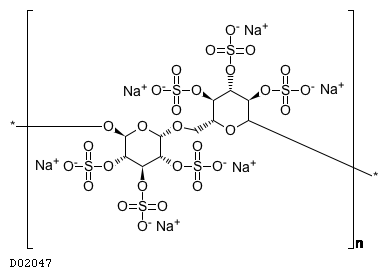
What is Dextran Sulfate Sodium?
DSS is an anionic polysaccharide formed by chemical sulfation modification of natural dextran (a glucose polymer linked by α‑1,6‑glycosidic bonds). Commercial DSS is generally a white or off‑white to pale yellow powder with excellent water solubility and a broad molecular weight range (5,000 to 500,000 Daltons), with common commercial products having a molecular weight of approximately 40,000.
Its structural feature lies in the substitution of hydroxyl groups at positions 2, 3 and 4 of glucose units with sulfate groups (‑SO₃⁻), endowing the molecule with strong negative‑charge density. This polyanionic property is the structural basis for multiple biological activities of DSS — through electrostatic interactions, DSS specifically binds to positively charged biomacromolecules (such as proteins and nucleic acids) or viral surface proteins.
How does Dextran Sulfate Sodium function in colitis research?
The most widely used application of DSS is the establishment of ulcerative colitis (UC) animal models. Administration of DSS at a certain concentration (typically 1.5%–5%, w/v) in drinking water of mice or rats can induce self‑limited or chronic colitis pathological models.
The mechanism by which DSS induces colitis involves multiple pathophysiological processes: firstly, high‑charge‑density DSS disrupts tight junctions of the intestinal epithelial barrier and increases mucosal permeability; secondly, DSS directly damages colonic epithelial cells, triggers innate immune responses, and recruits neutrophils and macrophages; in addition, DSS alters intestinal microbiota composition and exacerbates inflammatory cascades. Animals exhibit clinical phenotypes including weight loss, diarrhea and hematochezia, while colon tissues display pathological features similar to human UC (crypt abscesses, goblet cell depletion, inflammatory infiltration).
Due to its simple operation, good reproducibility and high pathological similarity to human diseases, this model has become a standardized platform for studying IBD pathogenesis, screening anti‑inflammatory drugs and evaluating probiotic intervention effects. Adjustments of DSS concentration and administration cycles can simulate different clinical subtypes including acute, chronic and relapsing‑remitting colitis.
Mechanism of accelerating nucleic acid hybridization rate
In molecular biology experiments, DSS shows unique advantages as a nucleic acid hybridization accelerator. Its acceleration mechanism is based on polyanion‑mediated molecular crowding effect:
In hybridization systems, the polyanionic backbone of DSS repels negatively charged nucleic acid backbones (electrostatic repulsion) and increases the effective local concentration of nucleic acid strands via steric hindrance. Such a “molecular crowding” environment drives complementary DNA or RNA strands to approach each other, theoretically increasing hybridization rates by 10–100‑fold and markedly shortening incubation time for Northern blot, Southern blot or in‑situ hybridization.
Compared with traditional acceleration schemes using formamide or dextran sulfate, DSS improves hybridization efficiency with less impact on hybridization stringency, helping reduce background noise and enhance signal specificity. Furthermore, DSS stabilizes hybrid formation and raises the melting temperature (Tm), enabling efficient hybridization at lower temperatures.
Applications of Dextran Sulfate Sodium in protein and lipid research
The polyanionic property of DSS makes it an effective reagent for protein complexation and precipitation:
Lipoprotein isolation: DSS specifically binds to low‑density lipoprotein (LDL) and fibrinogen in plasma. Its sulfate groups form insoluble complexes with amino groups of proteins (especially lysine residues) via hydrogen bonding, thereby achieving selective precipitation. This principle is applied to quantitative detection of high‑density lipoprotein (HDL) cholesterol — after removing LDL and very‑low‑density lipoprotein (VLDL) via DSS precipitation, HDL in the supernatant can be specifically determined by enzymatic assays to improve detection accuracy.
Anticoagulant effect: DSS enhances the inhibitory activity of antithrombin III (AT III) against thrombin and factor Xa by activating AT III, thus exhibiting anticoagulant activity. This property is valuable for plasma processing in certain in‑vitro experiments, yet concentration control is required to avoid excessive anticoagulation.
Protein purification: Under specific conditions, DSS can be used to selectively precipitate fibrinogen or other basic proteins from complex biological samples as a crude separation step in purification workflows.
Potential value in virological research
DSS exerts selective inhibitory effects on Human Immunodeficiency Virus‑1 (HIV‑1). Its target lies in the early stage of viral invasion — by competitively binding to viral envelope glycoprotein gp120 or host cell surface CD4 receptors, DSS blocks the adsorption and fusion processes between viruses and host cells, thereby inhibiting viral infection.
Such inhibitory activity is concentration‑dependent and varies in sensitivity among different viral strains. Although DSS itself has not been developed into clinical antiviral drugs due to bioavailability and systemic toxicity issues, it is of great value as a positive control or mechanistic probe in viral invasion mechanism studies and in‑vitro antiviral screening. In addition, the broad‑spectrum antiviral potential of DSS has also been explored in studies of other enveloped viruses (e.g., herpesvirus, influenza virus).
Key control points in experimental operation
Molecular weight selection: DSS with different molecular weights suits different scenarios. Products with molecular weights of 36,000–50,000 are commonly used for colitis modeling (optimal for inducing colonic epithelial toxicity within this range); lower‑molecular‑weight DSS (5,000–8,000) can be selected for nucleic acid hybridization to reduce solution viscosity; lipoprotein precipitation requires optimized selection based on target protein size.
Dissolution and storage: DSS is readily soluble in water, allowing preparation of high‑concentration stock solutions (e.g., 10% w/v). Aqueous solutions can be stored short‑term at 4°C, yet aliquoting and freezing at −20°C is recommended to prevent microbial contamination. Note that DSS solutions are highly viscous, and wide‑bore pipette tips should be used for pipetting.
Concentration optimization: Precise concentration optimization is required for different applications. In colitis modeling, concentrations lower than 1% fail to induce inflammation, while those higher than 5% lead to acute lethality; a final concentration of 5%–10% (w/v) is generally adopted for nucleic acid hybridization; optimal precipitation ratios for lipoprotein precipitation should be determined via preliminary experiments.
Identification of interfering factors: Due to strong chelating and precipitating capacities of DSS, attention should be paid to potential non‑specific interactions with medium components (such as peptides and growth factors) or enzyme cofactors in cell culture or enzyme activity assays, with exclusion controls set when necessary.
With deepening translational medical research, Dextran Sulfate Sodium has evolved from a simple chemical reagent into a multifunctional tool for analyzing intestinal immunity, optimizing molecular diagnosis and exploring antiviral strategies. Mastering the structure‑activity relationship between its chemical properties and biological effects provides reliable technical support for interdisciplinary research.
Recommended Absin Dextran Sulfate Sodium:
| Cat. No. | Product Name | Size |
|---|---|---|
| abs9192 | Dextran Sulfate Sodium (MW: 36,000‑50,000) | 25g/100g |
| abs9351 | Dextran Sulfate Sodium (MW: 500,000) | 10g/50g |
| abs9227 | Dextran Sulfate Sodium (MW: 40,000) | 25g/100g |
Contact Absin
Absin provides antibodies, proteins, ELISA kits, cell culture, detection kits, and other research reagents. If you have any product needs, please contact us.
| Absin Bioscience Inc. worldwide@absin.cn |
 Follow us on Facebook: Absin Bio Follow us on Facebook: Absin Bio |