

- Cart 0
- English
Why do your miRNA quantification results always differ greatly from expectations?
May 09, 2026
Clicks:68


In molecular biology laboratories, a perplexing problem plagues researchers: when detecting miRNAs from the same cell samples using total RNA extracted via the conventional TRIzol method, the target miRNAs are either undetectable or the quantitative values fluctuate drastically between different batches. In contrast, the neighboring laboratory, using a specialized miRNA extraction kit, consistently obtains high-abundance and high-purity miRNA data. The root cause lies in an often-overlooked fact—traditional total RNA extraction methods are "selectively blind" to small-molecule miRNAs of only 19–25 nucleotides. The cell miRNA extraction kit is a specialized tool designed to address this technical blind spot.
What Exactly Is a Cell miRNA Extraction Kit?
A cell miRNA extraction kit is a nucleic acid purification system optimized specifically for the molecular characteristics of microRNAs (miRNAs). Unlike conventional RNA extraction kits, it solves the technical challenges of miRNAs—their extremely low proportion in total RNA (typically <0.1%), easy masking by macromolecular nucleic acids, and retention by adsorption columns—through a unique three-step strategy of "digestion-enrichment-purification".
Technically, a complete miRNA extraction kit contains the following core components:
Lysis System Lysis buffer combined with digestion buffer efficiently disrupts cell membranes and removes macromolecular DNA and rRNA at 65°C
Enrichment System miRNA releaser and miRNA enricher work synergistically to aggregate small-molecule miRNAs and alter their physicochemical properties for subsequent binding
Purification System Silica membrane adsorption columns (nucleic acid purification columns) and collection tubes that specifically capture miRNAs in a high-salt ethanol environment, with impurities removed by washing and miRNAs eluted for recovery
Auxiliary Reagents Including pH 7.5 PBS solution (for cell washing), wash buffer (to be used with absolute ethanol), elution buffer, and pre-treated RNase-free centrifuge tubes
The entire optimized process can be completed in just over 30 minutes to obtain nucleic acid samples dedicated to miRNA analysis.
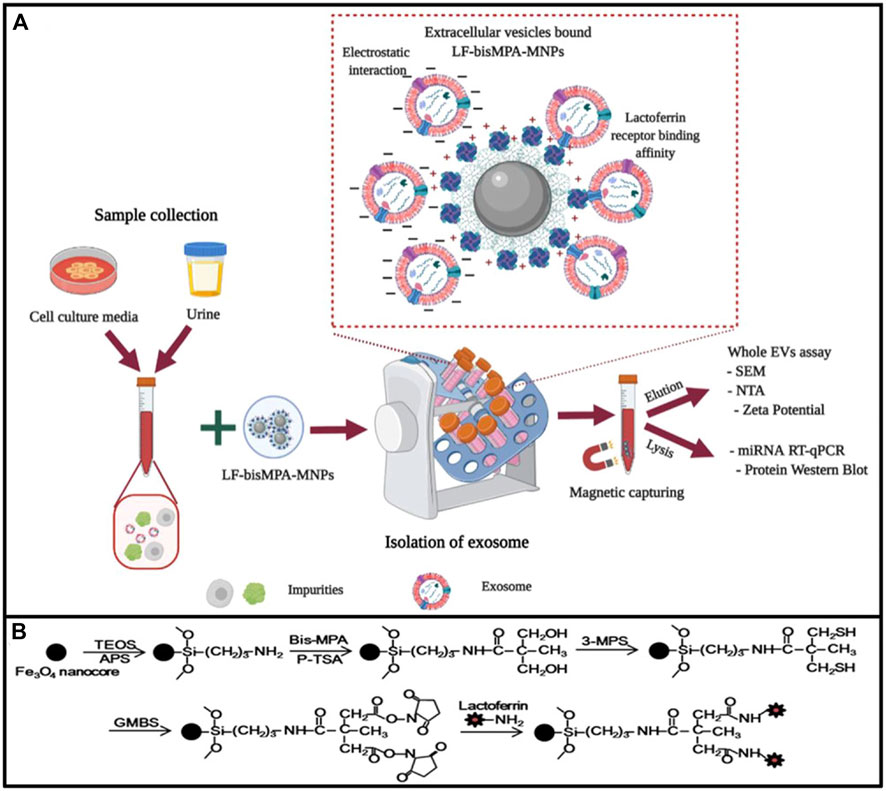
Figure 1: miRNA extraction and downstream application workflow. Starting from cell or tissue samples, high-quality miRNAs are obtained through lysis, enrichment, and purification steps, followed by qualitative and quantitative analysis via techniques such as qRT-PCR, sequencing, or biosensors. Specialized miRNA extraction kits ensure efficient recovery of small-fragment nucleic acids, which is difficult to achieve with traditional total RNA extraction methods.
Why Do Conventional RNA Extraction Methods "Miss" miRNAs?
To understand the value of specialized miRNA extraction kits, we first need to recognize the unique challenges posed by miRNAs.
The "Dual Disadvantage" of Molecular Size
At only 19–25 bases in length, miRNAs present two critical problems during RNA extraction:
- Low Precipitation Efficiency: During conventional RNA precipitation with ethanol or isopropanol, small-fragment nucleic acids rarely form pellets due to their small mass and are often discarded in the supernatant
- Adsorption Column Retention: The pore size of silica membrane adsorption columns is typically optimized for RNAs >100 nt, allowing miRNAs to pass through directly without being retained
The "Masking Effect" of Macromolecular Nucleic Acids
rRNA (28S, 18S, 5.8S) and tRNA account for over 90% of total cellular RNA, leaving miRNAs submerged in this vast macromolecular background. Conventional extraction methods attempt to preserve the "full spectrum of RNA", which instead leads to:
- miRNAs compete for binding sites with abundant rRNA, resulting in an actual binding rate of <5%
- During subsequent reverse transcription and PCR, rRNA occupies primer and enzyme resources, severely diluting the detection sensitivity of miRNAs
The Paradox of Structural Stability
Although miRNAs are relatively stable due to their short-chain structure and protein protection (e.g., forming RISC complexes with Ago proteins), during extraction:
- Loss at the phase interface during phenol-chloroform extraction
- Tube wall adsorption during multiple centrifugation transfers
- Preferential degradation upon RNase contamination (small RNAs are more susceptible to single-strand-specific RNase attack)
⚠️ These factors result in miRNA recovery rates of often <10% with conventional methods.
How Do Specialized Kits Solve These Challenges?
Cell miRNA extraction kits employ three core technologies to break through these bottlenecks:
Selective Digestion: Eliminate "Noise" First
Using a unique digestion formulation, macromolecular DNA and rRNA are preferentially degraded while lysing cells. This "negative screening" strategy clears interfering substances first, allowing miRNAs to "emerge" from the massive background and significantly improving relative abundance and absolute recovery.
Enrichment and Aggregation: Alter Physical Properties
The miRNA enricher changes the solution ionic environment or introduces specific binding molecules to aggregate dispersed miRNA molecules or alter their conformation, increasing their effective molecular weight. This step enables miRNAs to be efficiently adsorbed by silica membranes like macromolecular RNAs, breaking through the size limitations of traditional adsorption columns.
Optimized Binding: Specialized Membrane Purification
The membrane material of the matching adsorption column is specially treated, with pore size and surface charge density optimized for enriched miRNAs to ensure efficient binding and recovery. The washing step uses an ethanol-salt system to remove impurities such as proteins and polysaccharides while maintaining the binding force between miRNAs and the membrane.
Which Experimental Scenarios Require Specialized miRNA Extraction Kits?
miRNA Quantitative PCR (qRT-PCR)
This is the most common and sensitive method for miRNA detection, and also the scenario with the highest requirements for extraction quality. The unique characteristics of miRNAs are:
- Stem-loop Reverse Transcription: Requires specific stem-loop primers for reverse transcription, and the integrity of the template miRNA directly affects primer binding efficiency
- Short-fragment Amplification: PCR products are only 60–80 bp, requiring extremely high purity of the starting template; any inhibitor residue causes Ct value drift
- Low-abundance Detection: Many miRNAs exist in only a few to dozens of copies per cell, and differences in recovery rate directly lead to false negatives
miRNAs extracted with specialized kits typically have an A260/A280 ratio of 1.8–2.0 with no phenol/ethanol residue, making them ideal templates for qRT-PCR.
miRNA Sequencing (miRNA-seq)
High-throughput sequencing imposes stricter requirements on RNA quality:
- Fragment Selectivity: Sequencing library construction requires precise control of fragment size; miRNAs extracted with specialized kits are concentrated at 19–25 nt, eliminating the need for additional fragment screening
- Adapter Ligation Efficiency: T4 RNA ligase is sensitive to the integrity of 5' and 3' ends; degraded or modified miRNAs cannot ligate adapters normally
- Quantitative Accuracy: Batch consistency of recovery rate directly affects comparability between different samples
Specialized kits are a prerequisite for obtaining reliable sequencing data in projects such as tumor biomarker screening and developmental timing studies.
Exosome/Extracellular Vesicle miRNA Research
miRNAs in exosomes are popular targets for liquid biopsy but present unique challenges:
- Low Starting Amount: A single exosome carries a limited number of miRNA molecules
- Protein Binding: miRNAs bind tightly to Ago proteins and exosomal membrane proteins, making release difficult with conventional lysis
- Impurity Interference: Exosome samples often contain large amounts of albumin and lipoproteins, requiring efficient purification
The optimized lysis buffer of specialized kits effectively breaks protein-RNA interactions, and the enrichment step increases the relative concentration of low-abundance miRNAs, making them an essential tool for exosome miRNA research.
Single-cell miRNA Analysis
Single-cell sequencing and single-cell qPCR require efficient miRNA recovery from single cells (pg-level RNA):
- Loss-free Operation: Column-based purification of specialized kits avoids phase transfer loss in phenol-chloroform extraction
- Carrier RNA Compatibility: Carrier RNA can be safely added to improve recovery without interfering with subsequent quantification (carrier RNA differs greatly in size from miRNAs and can be distinguished by primer design)
- Micro-volume Elution: Supports small-volume elution of 10–30 μL to increase final concentration for downstream analysis
Circulating miRNA Detection (Plasma/Serum)
Circulating miRNAs in liquid biopsy samples face special challenges:
- Extremely Abundant RNase: RNase activity in plasma is dozens of times higher than in cell lysates
- Protein Binding/Lipoprotein Encapsulation: miRNAs bind to proteins or lipid complexes, resulting in low extraction efficiency
- Inhibitor Residue: PCR inhibitors such as hemoglobin and heparin need to be completely removed
While serum/plasma samples are generally recommended to use specialized plasma miRNA extraction kits, the optimized formulation of cell-specific kits (e.g., enhanced protein denaturation capacity) also performs excellently in sample types such as cell culture supernatant.
miRNA Research in Formalin-Fixed Paraffin-Embedded (FFPE) Tissues
RNA in FFPE samples is severely degraded, but miRNAs are relatively stable due to their short structure, making them a precious source of molecular information:
- Cross-link Cleavage: The protease digestion step of specialized kits helps break formaldehyde cross-links
- Fragment Advantage: In FFPE samples with severely fragmented total RNA, miRNAs have the relatively highest integrity
- Diagnostic Value: The application of miRNA expression profiles in tumor classification and prognosis assessment is increasingly widespread
How to Properly Use a Cell miRNA Extraction Kit?
Pre-experiment Preparation
Environmental Control:
- Thoroughly clean the operating bench with RNaseZap or 75% ethanol
- Wear disposable gloves and a mask to avoid RNase contamination from skin sources
- Use dedicated pipettes and tips, not mixed with other experiments
Reagent Preparation:
- Add absolute ethanol to the wash buffer at a ratio of 85% (e.g., add 8.5 mL ethanol to 1.5 mL wash buffer), mix thoroughly and store at room temperature
- Restore all components to room temperature; low-temperature reagents may cause precipitation and affect performance
- Preheat the elution buffer at 65°C to improve miRNA elution efficiency
Key Operational Points
Cell Processing
- Recommended cell count does not exceed 10⁷; excessive density leads to incomplete lysis
- Wash twice with PBS to remove medium residues and avoid interference from RNase inhibitors in serum during subsequent lysis
Lysis and Digestion
- Mix lysis buffer and digestion buffer, add immediately to the cell pellet, and mix thoroughly by pipetting
- Incubation at 65°C for 10 minutes is a critical step for digesting macromolecular nucleic acids; insufficient time results in rRNA residue
Enrichment and Binding
- Mix thoroughly after adding the miRNA enricher, and strictly control the standing time (usually 2 minutes)
- Flocculent precipitation may occur after adding absolute ethanol, which is normal; load the column directly
Column Purification
- Pay attention to the direction when inserting the adsorption column into the collection tube to avoid liquid leakage from gaps
- Centrifuge at 13,000 rpm to ensure complete liquid passage through the membrane; residual liquid dilutes the washing effect
- Open the lid and place for 2 minutes after washing to volatilize ethanol; ethanol residue is a common cause of PCR inhibition
Elution Optimization
- Elution buffer volume is 30–50 μL; too little reduces recovery, too much dilutes the concentration
- Stand for 2 minutes to allow the elution buffer to fully infiltrate the membrane material; flick gently to mix before centrifugation
- For precious samples, use the first eluate to pass through the column a second time to improve recovery
Quality Control and Troubleshooting
Concentration Determination:
- Use a micro-spectrophotometer such as NanoDrop; note that miRNA concentration is usually low (10–100 ng/μL)
- A 260/280 ratio of 1.8–2.0 is qualified; <1.6 indicates protein contamination
- A 260/230 ratio of 2.0–2.2 is qualified; <1.5 indicates salt/ethanol residue
Integrity Assessment:
- Conventional agarose gel electrophoresis cannot detect miRNAs (too small)
- Use Bioanalyzer or Fragment Analyzer for microfluidic analysis to observe the characteristic miRNA peak (~20–30 nt)
- The simplest method is direct qRT-PCR; Ct values of internal references such as U6 or miR-16 should be within a reasonable range (usually 20–25)
Common Problems:
Low Yield: Check if cell lysis is complete and if the temperature and time of the digestion step meet the standards
Poor Purity: Increase washing times and extend ethanol volatilization time
Downstream Inhibition: Dilute the template for PCR or re-extract with additional washing steps
From "Extraction" to "Discovery": The Complete Chain of miRNA Research
The value of specialized miRNA extraction kits lies not only in obtaining high-quality nucleic acids but also in laying the foundation for the entire research chain:
Biomarker Discovery: Stable extraction efficiency ensures comparability of clinical samples between different batches
Functional Mechanism Research: High-purity miRNAs are suitable for functional studies such as transfection experiments and reporter gene assays
Therapeutic Target Development: Extracted miRNAs can be used for sequencing to identify new therapeutic targets or drug response markers
Conclusion
Cell miRNA extraction kits represent the evolution of nucleic acid extraction technology from "universal" to "specialized". As miRNA research advances, recognizing the unique physicochemical properties of these 19–25 nt small molecules and adopting targeted extraction strategies is the first step to obtaining reliable experimental data. From routine qRT-PCR to cutting-edge single-cell sequencing, from basic research to clinical translation, specialized miRNA extraction technology remains the cornerstone supporting the development of this field. Mastering the essence of this technology means acquiring a reliable "mining tool" in the world of microRNAs.
Recommended Absin Cell miRNA Extraction Kits
Contact Absin
Absin provides antibodies, proteins, ELISA kits, cell culture, detection kits, and other research reagents. If you have any product needs, please contact us.
| Absin Bioscience Inc. worldwide@absin.cn |
 Follow us on Facebook: Absin Bio Follow us on Facebook: Absin Bio |