Phytohemagglutinin (PHA) is a class of high-molecular-weight glycoprotein lectins extracted from the red kidney bean (Phaseolus vulgaris), commonly used as a mitogen for human lymphocytes. As a naturally occurring exogenous lectin, PHA possesses the dual activities of promoting mitosis and inducing interferon secretion, making it one of the most commonly used non-specific lymphocyte stimulators in immunological research. Its molecule is a complex formed by oligosaccharides (galactose, N-acetylglucosamine, and mannose) and proteins. The unique tetrameric structure endows it with multivalent binding capacity, enabling it to efficiently cross-link glycoprotein receptors on the cell membrane surface and trigger the activation, proliferation, and differentiation of T lymphocytes.
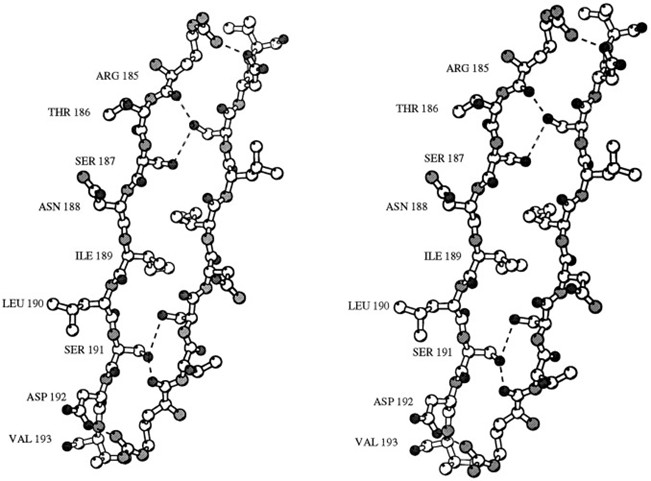
Crystal structure of PHA
What are the characteristics of the molecular structure of PHA?
PHA is a high-molecular-weight glycoprotein that forms a tetrameric structure composed of 4 subunits bound by non-covalent bonds. Based on different subunit compositions, PHA contains two main subunit molecules:
L Subunit (Leucoagglutinin)
- Exhibits leukocyte agglutinating activity
- High mitogenic activity
- Mainly stimulates T lymphocyte proliferation
E Subunit (Erythroagglutinin)
- Exhibits high erythrocyte agglutinating activity
- Relatively low mitogenic activity
- Strong agglutination effect on erythrocytes
Different combinations of these two subunits form 5 isomers: L4, L3E1, L2E2, L1E3, and E4, where L4 represents a tetramer composed of four L subunits, E4 represents a tetramer composed of four E subunits, and the intermediate numbers indicate the composition ratio of mixed subunits.
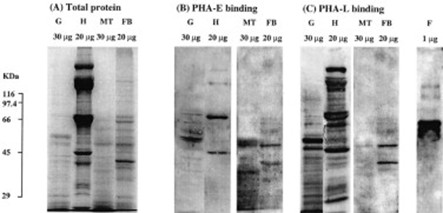
Differences in binding characteristics between PHA-E and PHA-L
What are the differences between different PHA isoforms?
Based on purification degree and subunit composition, the commonly used PHA in laboratories is divided into the following forms:
PHA-L (Leucoagglutinin)
A tetramer purified by chromatography consisting of 4 L subunits, with:
- High mitogenic activity
- High leukocyte agglutinating activity
- Extremely low erythrocyte agglutinating activity
- Widely used for in vitro activation studies of human and mouse lymphocytes
- Commonly used as a stimulant for PBMCs and a positive control for INF-γ ICS and ELISPOT assays
PHA-E (Erythroagglutinin)
Purified E4 isomer, with:
- High erythrocyte agglutinating activity (8 μg/mL can promote human erythrocyte agglutination)
- Low mitogenic activity
- Mainly used for glycosylation modification studies and erythrocyte agglutination assays
- Has no blood type specificity, but agglutination can be inhibited by certain oligosaccharides
PHA-M (Mucoprotein form)
The mucoprotein form of PHA, containing 5 isomers (similar to PHA-P components):
- Powerful erythrocyte agglutination properties
- Originally used for separating lymphocytes from whole blood
- Contains a mixture of both L and E subunit molecules
PHA-P (Crude PHA form)
The crude form before separation and purification of PHA-E and PHA-L, containing both PHA-E and PHA-L molecules:
- Crude extract form
- Contains mixed activities of both subunits
- Commonly used for erythrocyte agglutination titration assays
Why can PHA effectively stimulate T lymphocyte proliferation?
As a non-specific mitogen, the mechanism of action of PHA involves multi-level cellular signal activation:
1
Receptor Cross-linking
PHA binds to the glycosyl moieties of glycoproteins (such as CD3, TCR complex) on the surface of T cells through its multivalent sugar-binding sites, leading to receptor cross-linking and aggregation, mimicking antigen recognition signals.
2
Signal Transduction Activation
Receptor cross-linking activates downstream signaling pathways, including:
- Activation of protein kinase C (PKC)
- Increased calcium ion influx
- Up-regulated expression of proto-oncogenes (e.g., c-myc, c-fos)
- Activation of cyclin-dependent kinases (CDKs)
3
Cytokine Secretion
Activated T cells secrete cytokines such as IL-2, forming autocrine and paracrine loops that further promote cells to enter S and M phases, achieving clonal proliferation.
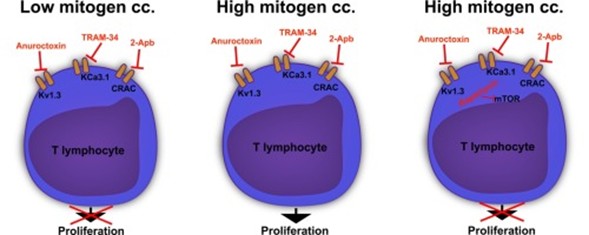
T lymphocyte activation signaling pathway
In which immunological assays can PHA be applied?
Peripheral Blood Mononuclear Cell (PBMC) Stimulation
PHA is a standard stimulant for inducing human PBMC proliferation in vitro, commonly used for:
- Lymphocyte Transformation Test
- Cellular immune function assessment
- Adjuvant diagnosis of immunodeficiency diseases
Positive Control for Cytokine Detection
- Intracellular Cytokine Staining (ICS): Used as a positive control for the detection of cytokines such as INF-γ, IL-2, and TNF-α
- ELISPOT Assay: Verifies cellular secretory function and detects antigen-specific T cell responses
Flow Cytometry Analysis
- Detection of lymphocyte subset function
- Positive stimulation control for detection of proliferation markers (e.g., Ki-67, CFSE dilution)
Lymphocyte Separation
Utilizes the erythrocyte agglutinating properties of PHA-M or PHA-E to separate lymphocytes from whole blood (early application).
How to properly use and store PHA?
Stock Solution Preparation
- Powder form: Dissolve in sterile PBS (pH 7.2 or 6.8) or cell culture-grade water to prepare 1-10 mg/mL stock solutions
- Liquid form: Aliquot according to product concentration, store at -20°C, avoid repeated freeze-thaw cycles
- Storage stability: Stable for several months when aliquoted and frozen at -20°C
Working Solution Preparation
- Dilute directly to working concentration with sterile PBS or cell culture medium
- Recommended working concentration: 5-10 μg/mL (for stimulating peripheral blood lymphocytes)
- The actual concentration needs to be optimized according to the experimental system and cell type
Erythrocyte Agglutination Assay Setup (taking 96-well plate as an example)
- Prepare 2% hematocrit (HCT) type A human erythrocyte suspension
- Set up PHA gradient dilution (e.g., 2-fold serial dilution starting from 1 mg/mL)
- Add 50 μL of erythrocyte suspension and 50 μL of PHA solutions at different concentrations to each well
- Let stand at room temperature to observe agglutination, and judge the agglutination degree visually (from grade Ⅰ no agglutination to grade Ⅴ full agglutination)
Key Precautions During Use
Concentration Optimization
The mitogenic activity of PHA exhibits obvious dose-dependence:
- Too low concentration (<1 μg/mL): Insufficient stimulation, weak proliferation response
- Too high concentration (>20 μg/mL): May lead to excessive cell activation, apoptosis, or cytotoxicity
- It is recommended to set up a concentration gradient (1, 5, 10, 20 μg/mL) for pre-experiment optimization
Cell Quality Control
- After stimulation and activation of mouse splenocytes or human peripheral blood mononuclear cells, the activity of this product should be verified by cell proliferation assays (e.g., ³H-TdR incorporation, CFSE dilution, Ki-67 staining)
- Cell viability should be >90%, excessive dead cells will affect the stimulation effect
Sterile Operation
- All operations must be performed under sterile conditions
- Stock and working solutions should be sterile filtered (0.2 μm filter membrane)
- Avoid microbial contamination leading to cell death
Safety
Wear lab coats and disposable gloves during operation to avoid direct skin contact.
By selecting the appropriate PHA isoform and optimizing stimulation conditions, researchers can effectively activate T lymphocytes for various fields such as immune function assessment, cytokine research, and immunotherapy development.
Recommended Absin Phytohemagglutinin Products
| Cat. No. |
Product Name |
Size |
| abs47039024 |
Phytohemagglutinin-M Solution (500×) |
100μL |
| abs47039025 |
Phytohemagglutinin-P Solution (500×) |
100μL |
| abs47014910 |
Phytohemagglutinin-L Solution (500×) |
100μL |
| abs47014911 |
Phytohemagglutinin-M (from Phaseolus vulgaris) |
5mg/25mg/100mg |
| abs47014912 |
Phytohemagglutinin-E (from Phaseolus vulgaris) |
5mg |
| abs47014913 |
Phytohemagglutinin-P (from Phaseolus vulgaris) |
5mg/25mg |
* For specific product information, please consult the supplier for the latest data
【Disclaimer】This article is derived from publicly available information on the internet and generated by AI. If it inadvertently infringes on rights, please contact us promptly, and we will cooperate with the processing immediately without assuming any legal liability.
Contact Absin
Absin provides antibodies, proteins, ELISA kits, cell culture, detection kits, and other research reagents. If you have any product needs, please contact us.




 Follow us on Facebook: Absin Bio