

- Cart 0
- English
Why is Ferrostatin-1 the preferred tool compound for ferroptosis research?
April 21, 2026
Clicks:68


What is Ferrostatin-1?
Ferrostatin-1 (abbreviated as Fer-1) is a small-molecule compound with the chemical name ethyl 3-amino-4-(cyclohexylamino)benzoate and the molecular formula C₁₅H₂₂N₂O₂. This compound appears as a black solid and exhibits excellent solubility in both dimethyl sulfoxide (DMSO) and ethanol (26.2 mg/mL, approximately 100 mM). These physicochemical properties provide favorable conditions for its application in in vitro experiments.
Structurally, Ferrostatin-1 belongs to the aromatic amine class of compounds. Its core structure comprises a benzene ring skeleton with amino, cyclohexylamino, and ethyl ester groups attached. This specific chemical structure confers its unique biological activity.
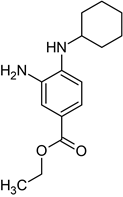
*Fig. 1. Chemical structure of Ferrostatin-1*
How Does It Work?
The core function of Ferrostatin-1 is the selective inhibition of ferroptosis. Ferroptosis is a novel form of programmed cell death distinct from apoptosis, necrosis, and autophagy. Its main characteristics include iron-dependent accumulation of lipid peroxides, reactive oxygen species (ROS) burst, and dysfunction of glutathione peroxidase 4 (GPX4).
In the HT-1080 fibrosarcoma cell model, Ferrostatin-1 exhibits extremely potent inhibitory activity against erastin-induced ferroptosis, with a half-maximal effective concentration (EC₅₀) of only 60 nM, making it one of the most effective ferroptosis inhibitors known to date. Its mechanism of action is mainly reflected in the following aspects:
Firstly, Ferrostatin-1 can effectively block erastin-induced accumulation of cytosolic and lipid ROS. Studies have shown that cells pretreated with 0.4 μM Ferrostatin-1 display significantly reduced intracellular ROS and reactive nitrogen species (RNS) levels, even below baseline levels. Secondly, this compound protects cell membranes from oxidative damage by inhibiting lipid peroxidation reactions, thereby maintaining membrane integrity and function.
Notably, the action of Ferrostatin-1 is highly selective. It does not affect ERK phosphorylation signaling pathways, nor does it inhibit the proliferation of HT-1080 cells, indicating that it does not prevent cell death through broad-spectrum cytotoxicity or growth inhibition. Furthermore, in SH-SY5Y neuroblastoma cells, 24-hour treatment with Ferrostatin-1 (0.4 μM) does not alter the expression level of inducible nitric oxide synthase (iNOS), further confirming the specificity of its mechanism of action.
Which Experimental Scenarios Utilize It?
Ferrostatin-1 has been widely applied across multiple research fields, primarily including the following aspects:
1. Ferroptosis Mechanism Validation Experiments
When investigating whether a certain compound or treatment condition induces ferroptosis, Ferrostatin-1 is commonly used as a positive control. If cell death can be rescued by Ferrostatin-1, it strongly suggests that the death mode is ferroptosis. For example, in the erastin-induced cell death model, Ferrostatin-1 almost completely blocks the occurrence of cell death, which is one of the gold standard methods for validating ferroptosis.
2. Oxidative Stress and Lipid Peroxidation Research
Since Ferrostatin-1 can significantly reduce intracellular ROS and lipid peroxide levels, it is frequently employed to study oxidative stress-related cell damage mechanisms. Researchers can evaluate the protective effect of Ferrostatin-1 by detecting malondialdehyde (MDA) content, 4-hydroxynonenal (4-HNE) levels, or fluorescence changes of lipid peroxidation probes (such as C11-BODIPY).
3. Neurodegenerative Disease Models
Ferroptosis is closely associated with various neurological disorders, including Parkinson's disease, Alzheimer's disease, and Huntington's disease. In neuroblastoma cell lines such as SH-SY5Y, Ferrostatin-1 is used to assess the role of ferroptosis in neurotoxicity. Since it does not affect iNOS expression, researchers can more accurately exclude interference factors related to the nitric oxide pathway.
4. Drug Resistance Exploration in Tumor Research
Interestingly, although Ferrostatin-1 itself does not inhibit tumor cell proliferation, it holds significant value in tumor microenvironment research. Certain tumor cells may acquire resistance to chemotherapeutic drugs by activating ferroptosis defense mechanisms. By using Ferrostatin-1, researchers can dissect the specific role of ferroptosis in tumor treatment response.
5. Drug Screening and Target Discovery
As one of the first discovered and most potent ferroptosis inhibitors, Ferrostatin-1 is often used as a lead compound or positive control for high-throughput screening of novel ferroptosis modulators. Its structural scaffold also provides an important chemical template for the development of next-generation ferroptosis inhibitors.
What Should Be Considered in Experimental Design?
When conducting experiments with Ferrostatin-1, several technical details require particular attention:
Concentration Selection: Although the EC₅₀ of Ferrostatin-1 is 60 nM, the commonly used concentration range in practical experiments is 0.1–1 μM. A pretreatment concentration of 0.4 μM has been confirmed to effectively reduce ROS levels. Researchers can optimize this according to specific cell types and inducer intensity.
Vehicle Control: Ferrostatin-1 is typically prepared as a stock solution in DMSO or ethanol. When setting up controls, ensure that the final solvent concentration does not exceed 0.1% (v/v) to avoid solvent-induced effects on cells. In studies using SH-SY5Y cells, 0.02% DMSO was used as the vehicle control.
Treatment Duration: The protective effect of Ferrostatin-1 is time-dependent. In most experiments, it is recommended to add Ferrostatin-1 for pretreatment 30 minutes to 1 hour prior to ferroptosis induction to ensure full efficacy.
Specificity Validation: Although Ferrostatin-1 is considered a specific ferroptosis inhibitor, rigorous experimental design should simultaneously employ other ferroptosis inhibitors (such as Liproxstatin-1) as well as apoptosis inhibitors (such as Z-VAD-FMK) and necrosis inhibitors (such as Necrostatin-1) as controls to exclude the involvement of other cell death modalities.
Conclusion
The discovery of Ferrostatin-1 marks a major breakthrough in the field of ferroptosis research. As a highly selective and potent ferroptosis inhibitor, it not only provides a critical tool for dissecting the molecular mechanisms of ferroptosis but also plays an irreplaceable role in multiple research directions including neuroprotection, tumor biology, and drug development. As our understanding of ferroptosis continues to deepen, Ferrostatin-1 and its derivatives are expected to demonstrate broader application prospects in basic research and translational medicine.
Absin Ferrostatin-1 Recommendation:
Contact Absin
Absin provides antibodies, proteins, ELISA kits, cell culture, detection kits, and other research reagents. If you have any product needs, please contact us.
| Absin Bioscience Inc. worldwide@absin.cn |
 Follow us on Facebook: Absin Bio Follow us on Facebook: Absin Bio |