

- Cart 0
- English
HUVEC Culture Guide: Mastering Human Umbilical Vein Endothelial Cell Culture
March 17, 2026
Clicks:642


Human Umbilical Vein Endothelial Cells (HUVEC) are one of the principal cellular constituents of the umbilical vein. When conducting vascular endothelial cell experiments, HUVECs are typically employed rather than venous or arterial endothelial cells. Immortalized HUVEC lines are generated via lentiviral transduction to stably express RFP or GFP reporter genes.
Table 1 HUVEC Cell Line Specifications
|
Parameter |
HUVEC (Human Umbilical Vein Endothelial Cells) |
|
Morphology |
Epithelial-like, cobblestone appearance |
|
Growth Characteristics |
Adherent monolayer |
|
Culture Medium |
Endothelial Cell Medium (abs9873) |
|
Seeding Density |
8.0 x 10³-3.0 x 10⁴ viable cells/cm2 |
|
Split Ratio |
1:2 to 1:3 |
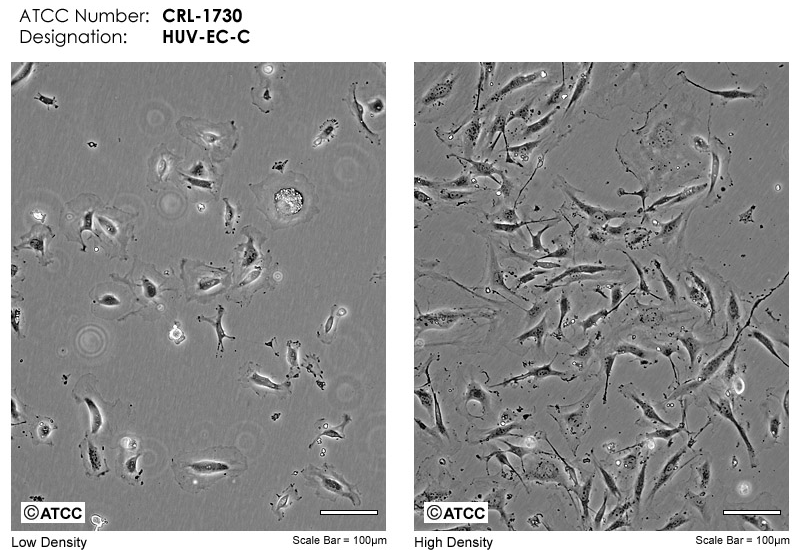 Figure 1 HUVEC (Human Umbilical Vein Endothelial Cells)
First, let us address the question: Are HUVECs fastidious in their nutritional requirements?
Generally speaking, HUVECs exhibit rather stringent nutritional demands. Beyond nutrient-rich F-12 medium and essential fetal bovine serum (as shown in Table 2), heparin and vascular endothelial growth factor (VEGF) are indispensable supplements. As illustrated in Figure 2, optimally cultured HUVECs display characteristic cobblestone morphology with distinct cell boundaries and uniform spreading, typically reaching confluence within 2-3 days.
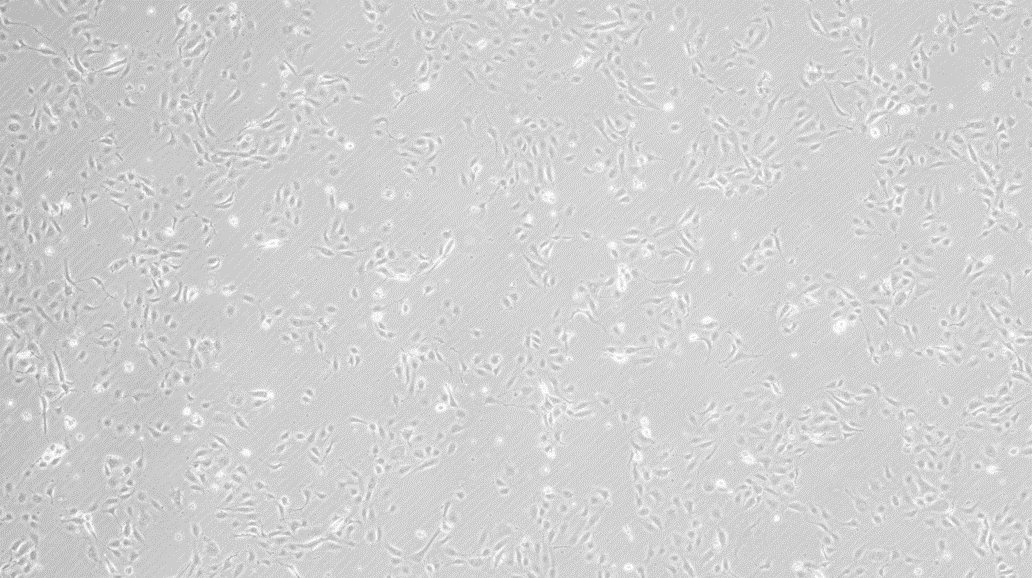 Figure 2 Healthy HUVEC Culture (Human Umbilical Vein Endothelial Cells)
Secondly, we must consider: Why do immortalized HUVEC lines suddenly exhibit vacuolization following media change?
As shown in Figure 3, severely vacuolized HUVECs. It is important to note that in finite cell lines, vacuolization often represents a hallmark of apoptotic cell death, intrinsically related to cellular senescence. However, in immortalized cell lines, vacuolization typically results from extrinsic factors, with two primary possibilities: First, substantial deviation between culture medium pH and the optimal physiological pH range, leading to metabolic dysfunction and subsequent vacuolization; Second, during routine culture, insufficient serum concentration, pharmacological treatment, or environmental stressors may induce metabolic disturbances and endoplasmic reticulum stress, manifesting as cytoplasmic vacuolization.
 Figure 3 Vacuolized HUVEC (Human Umbilical Vein Endothelial Cells)
Resolution of Cellular Vacuolization typically employs two approaches:
1. Measure complete medium pH to verify suitability within the physiological range. Most mammalian cells thrive at pH 7.2-7.4.
2. If basal medium or serum has been stored post-opening for extended periods, replace with freshly prepared complete medium. If using newly opened reagents, consider switching to alternative batches of basal medium or serum for medium preparation and monitor cellular recovery.
Finally, we address the resolution of HUVEC aggregation issues. When culture vessels—particularly tissue culture plates—exhibit suboptimal hydrophilicity, or when serum-derived attachment factors are insufficient, HUVEC clustering may occur.
Recommended Solution: Pre-coating culture vessels with gelatin (abs90048) effectively prevents HUVEC aggregation. Coating protocol: For T25 flasks, apply 5 mL gelatin solution and incubate at 37°C for minimum 30 minutes. Aspirate excess liquid prior to cell seeding. Figure 4 demonstrates uniformly adherent and well-spread HUVECs.
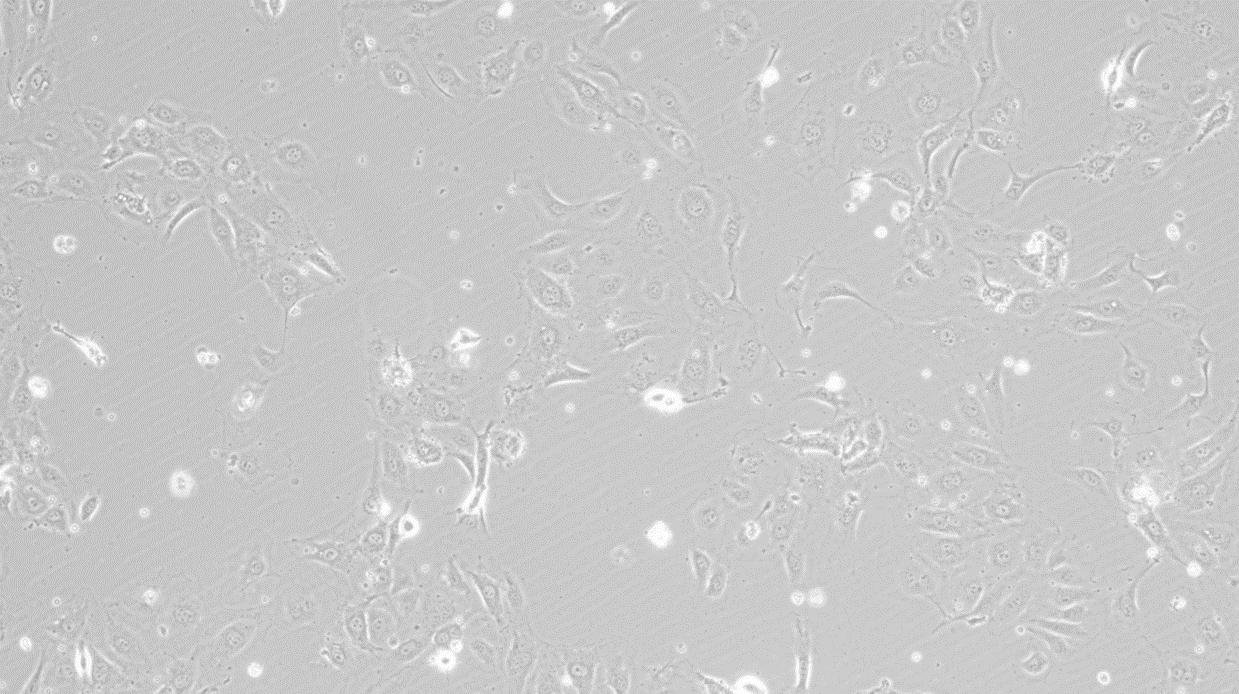 Figure 4 Normal Adherent, Uniformly Spread HUVEC (Human Umbilical Vein Endothelial Cells)
Note: Images sourced from network and client submissions, for reference and educational purposes only
Featured Recommendations from Absin
|
Catalog No. |
Product Name |
Pack Size |
|
Endothelial Cell Medium |
500mL |
|
|
Gelatin Aqueous Solution (0.1%, Sterile) |
100mL |
|
|
Trypsin-EDTA Solution (0.25%), with Phenol Red |
100mL |
|
|
Serum-Free Cell Freezing Medium |
100mL |
|
|
Hanks' Balanced Salt Solution (without Ca2+ Mg2+, without Phenol Red) |
500mL |
|
|
DMEM, High Glucose |
500mL |
|
|
RPMI-1640 Medium |
500mL |
|
|
α-MEM Medium |
500mL |
|
|
DMEM/F-12 Medium |
500mL |
Contact Absin
Absin provides antibodies, proteins, ELISA kits, cell culture, detection kits, and other research reagents. If you have any product needs, please contact us.
| Absin Bioscience Inc. worldwide@absin.cn |
 Follow us on Facebook: Absin Bio Follow us on Facebook: Absin Bio |