

- Cart 0
- English
Efficacy Evaluation Biochemical Analysis: Precisely Assessing Drug Effects
February 11, 2025
Clicks:780


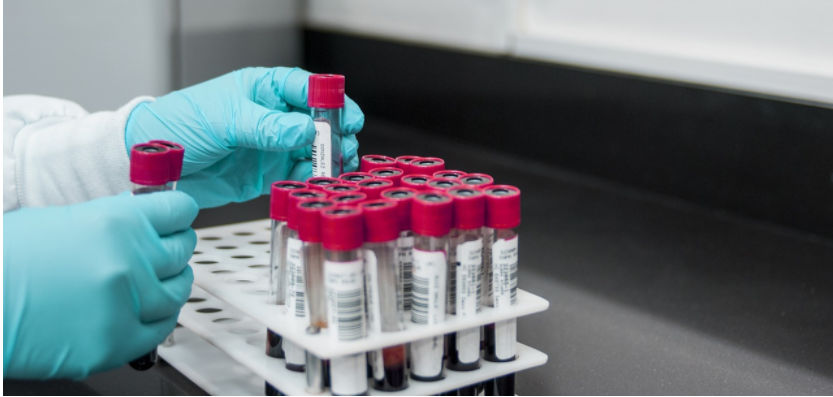
In the journey of drug development, efficacy evaluation is a critical step to ensure the safety and effectiveness of new drugs. Biochemical analysis, as an essential tool in this process, plays a vital role in both in vitro cell experiments and in vivo animal models. In vitro experiments provide a precisely controlled environment, allowing researchers to meticulously observe the direct effects of drugs on cells. Through biochemical analysis, the impact of drugs on cell proliferation, apoptosis, regulation of specific signaling pathways, and changes in cytokine release can be measured. In vivo efficacy evaluation takes us into a more complex biological environment. Biochemical analysis at this stage helps researchers understand the distribution, metabolism, and excretion of drugs within living organisms. By detecting biochemical indicators in serum, the effects of drugs on organ function can be assessed, and therapeutic efficacy and potential adverse reactions can be monitored.
Note: Image sourced from the internet
Key Indicators for Efficacy Evaluation Biochemical Analysis:
1. Liver and Gallbladder Function Indicators:
Alanine Aminotransferase (ALT), Aspartate Aminotransferase (AST), Alkaline Phosphatase (ALP), γ-Glutamyl Transferase (γ-GT), Albumin (ALB), Bilirubin (BIL), Total Bile Acids (TBA)
The most common indicators reflecting liver and gallbladder cell damage are Alanine Aminotransferase (abs580002), Aspartate Aminotransferase (abs580004), Alkaline Phosphatase (abs580003), and γ-Glutamyl Transferase (abs580142). Elevated ALT and AST levels are typical in all liver diseases (including acute and chronic viral hepatitis, cirrhosis, alcoholic hepatitis, fatty liver, drug-induced hepatitis, autoimmune hepatitis, etc.), while ALP and γ-GT are associated with cholestasis.
Albumin (abs580137-96T & abs580138-96T) is primarily synthesized by the liver, and its levels reflect the liver's synthetic function. Liver diseases such as hepatitis, cirrhosis, and liver cancer can lead to decreased albumin levels, while elevated ALB is often seen in dehydrated animals.
Serum Bilirubin (abs580147) measurement is also an important test for liver and gallbladder function. Bilirubin (BIL) is produced by the breakdown of red blood cells and is metabolized and excreted by the liver. BIL is easily oxidized and light-sensitive, so samples should be protected from light to ensure accurate results. In animals, abnormal increases in bilirubin levels are usually associated with liver dysfunction, biliary obstruction, or hemolytic diseases.
Bile Acids (abs580150) are produced by the liver's metabolism of cholesterol. When liver disease occurs, bile acid (TBA) metabolism is affected, leading to elevated serum bile acid levels. Therefore, changes in bile acid levels can sensitively reflect liver function.
2. Kidney Function Indicators:
Blood Urea Nitrogen (BUN), Creatinine (Cr), Uric Acid (UA)
Blood Urea Nitrogen (abs580197) is an important indicator in kidney function testing. It is a waste product of protein metabolism and is excreted through the kidneys. BUN measurement can assess glomerular filtration function and is one of the commonly used clinical indicators of kidney function. Elevated BUN levels can indicate impaired kidney function, such as reduced glomerular filtration rate. However, BUN levels can also be influenced by diet, protein intake, dehydration, and infection, so these factors must be considered when interpreting BUN levels.
BUN and Creatinine (abs580199) are often measured together. Elevated levels of both may indicate severe kidney dysfunction. If only BUN is elevated while serum creatinine is normal, it may suggest extrarenal causes rather than kidney issues.
In kidney function testing, other indicators such as Uric Acid (abs580057) and Cystatin C can also provide information about kidney health. For example, uric acid is the final product of nucleic acid purine metabolism, mostly excreted by the kidneys. Impaired kidney function can lead to uric acid accumulation and elevated blood levels, aiding in the early diagnosis of kidney disease.
In summary, BUN is a useful indicator for assessing kidney function, but elevated levels do not always indicate kidney disease. Comprehensive analysis with other kidney function indicators and clinical context is necessary.
3. Lipid Profile Analysis:
Total Cholesterol (TC), Triglycerides (TG), High-Density Lipoprotein Cholesterol (HDL-C), Low-Density Lipoprotein Cholesterol (LDL-C)
Lipid profile analysis plays a crucial role in efficacy evaluation, especially in assessing the efficacy and safety of lipid-lowering drugs. In efficacy monitoring, lipid profile biomarkers include Total Cholesterol (TC), Triglycerides (TG), High-Density Lipoprotein Cholesterol (HDL-C), and Low-Density Lipoprotein Cholesterol (LDL-C). Changes in these indicators can reflect the impact of drugs on lipid levels. For example, by analyzing TC and TG levels in rat plasma, the efficacy of traditional Chinese medicine formulations in lowering lipids can be evaluated, and active components can be screened.
Elevated Cholesterol (abs580114) levels are associated with atherosclerosis, cardiovascular, and cerebrovascular diseases. Cholesterol levels are commonly used as a risk factor for atherosclerosis, serving as a reference for prevention, disease estimation, and treatment observation.
Triglycerides (abs580085) are a risk factor for coronary heart disease. Elevated levels should be managed through diet or medication. High levels can be seen in various hyperlipoproteinemias, diabetes, gout, obstruction, jaundice, hypothyroidism, and pancreatitis.
High-Density Lipoprotein (abs580112) primarily transports cholesterol from peripheral tissues to the liver for metabolism and excretion, maintaining normal plasma cholesterol levels. It is known as anti-atherogenic plasma lipoprotein and is a protective factor against coronary heart disease. Low HDL-C levels increase the risk of coronary heart disease, while high levels reduce the risk.
Elevated Low-Density Lipoprotein (abs580113) is a significant risk factor for atherosclerosis. It is used to assess the risk of coronary heart disease and is a primary target for lipid disorder management. In new drug development, cholesterol-lowering drugs like PCSK9 inhibitors block the binding of PCSK9 to LDL receptors, increasing LDL receptor levels on hepatocytes and enhancing LDL-C clearance, thereby reducing plasma LDL-C levels.
4. Blood Glucose Levels:
Fasting Blood Glucose (FPG), Postprandial Blood Glucose (PPG)
Blood glucose levels are direct indicators for monitoring and evaluating the efficacy of hypoglycemic drugs. By measuring Fasting Blood Glucose, Postprandial Blood Glucose, and Glycated Hemoglobin (HbA1c) levels, the impact of drugs on blood glucose control can be understood. FPG and PPG are measured by analyzing blood glucose (abs580025) concentrations, reflecting the body's ability to regulate blood glucose under different conditions. HbA1c reflects the average blood glucose levels over the past 2-3 months and is a crucial indicator for diabetes diagnosis, treatment monitoring, and blood glucose control.
5. Myocardial Enzyme Profile:
Creatine Kinase (CK), Lactate Dehydrogenase (LDH), Creatine Kinase-MB (CK-MB), Cardiac Troponin I (cTnI)
The myocardial enzyme profile is a set of biochemical indicators used to assess myocardial injury. These enzymes are released into the bloodstream when myocardial cells are damaged, leading to increased serum enzyme activity. The myocardial enzyme profile mainly includes Creatine Kinase (CK), Lactate Dehydrogenase (LDH), and Creatine Kinase-MB (CK-MB).
In efficacy evaluation, the myocardial enzyme profile is used for diagnosing myocardial injury, assessing disease severity, guiding treatment, and monitoring efficacy. However, some enzymes in the profile are not specific to the myocardium and may also be present in other tissues such as skeletal muscle and liver. Therefore, elevated myocardial enzyme levels do not always indicate myocardial injury and may be related to other factors. In practice, combining the myocardial enzyme profile with other myocardial injury markers like Cardiac Troponin I (abs553006) can improve diagnostic accuracy.
Biochemical analysis not only plays an independent role in in vitro and in vivo experiments but also serves as a bridge between the two. By comparing in vitro and in vivo data, we can more accurately predict the clinical effects of drugs, providing a scientific basis for further drug development and optimization. Biochemical detection kits offer convenience for measuring substance content, rapid enzyme activity detection, and drug development.
Absin Bioscience Inc. provides researchers with a wide range of biochemical detection kits, including ion detection, amino acid metabolism, energy metabolism, oxidative stress, coenzymes & cofactors, fatty acid metabolism, esterases, and routine biochemical function detection. We support researchers in innovation and breakthroughs!
|
Test Item |
Catalog No. - Size |
Product Name |
Detection Range |
|
Liver and gallbladder function |
Alkaline Phosphatase Microplate Assay Kit |
0.04mmol/L-4mmol/L |
|
|
γ-Glutamyl Transferase Microplate Assay Kit |
0.01μmol/L-5μmol/L |
||
|
Albumin-BCG-Microplate Assay Kit |
1mg/mL-100mg/mL |
||
|
Albumin-BCP-Microplate Assay Kit |
0.5mg/mL-50mg/mL |
||
|
Bilirubin Microplate Assay Kit |
1μmol/L-200μmol/L |
||
|
Total Bile Acid Microplate Assay Kit |
2μmol/mL-200μmol/mL |
||
|
Kidney Function |
Uric Acid Microplate Assay Kit |
0.04mmol/L-4mmol/L |
|
|
Blood Urea Nitrogen Microplate Assay Kit |
0.05mmol/L-1mmol/L |
||
|
Creatinine Microplate Assay Kit |
0.02mmol/L-2mmol/L |
||
|
Blood Glucose |
Glucose Microplate Assay Kit |
0.1mmol/L-10mmol/L |
|
|
Blood Lipids |
Triglyceride Microplate Assay Kit |
4μmol/L-400μmol/L |
|
|
Low-Density Lipoprotein/Very-Low-Density Lipoprotein Microplate Assay Kit |
0.1mmol/L-10mmol/L |
||
|
High-density Lipoprotein Microplate Assay Kit |
0.1mmol/L-10mmol/L |
||
|
Myocardial Enzyme Profile |
Creatine Kinase Microplate Assay Kit |
4μmol/mL-400μmol/mL |
|
|
Lactate Dehydrogenase Microplate Assay Kit |
0.1μmol/L-4μmol/L |
Absin provides antibodies, proteins, ELISA kits, cell culture, detection kits, and other research reagents. If you have any product needs, please contact us.
|
Absin Bioscience Inc. |
 Follow us on Facebook: Absin Bio Follow us on Facebook: Absin Bio |